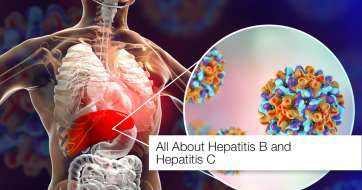
In a world where diseases like COVID-19 and dengue have taken center stage, a group of silent but deadly infections continues to affect millions, largely undiagnosed and often misunderstood—HepatitisB and C. These viral infections slowly damage the liver, often without showing symptoms, and can lead to cirrhosis, liver failure, or hepatocellular carcinoma (liver cancer). What is Hepatitis? Hepatitis is inflammation of the liver. Inflammation is swelling that happens when tissues of the body are injured or infected. It can damage your liver. This swelling and damage can affect how well your liverfunctions. Hepatitis can be an acute (short-term) infection or a chronic (long-term) infection. Some types of hepatitis cause only acute infections. Other types can cause both acute and chronic infections. Global Burden of Disease Recent data from 187 countries shows that viral hepatitis is one of the biggest health problems of our time. In 2022 alone, around 1.3 million people died from chronic hepatitis B and C—that’s about 3,500deaths every day. Today, an estimated 254 million people are living with hepatitis B, and 50 million people have hepatitis C around the world. Every day, about 6,000 new people get infected with hepatitis. Sadly, in many countries, most people don’t even know they have it, and even when they are diagnosed, very few receive the treatment they need. (WHO, WHO, 2022) Types of Hepatitis: While there are five main types of hepatitis viruses (A, B, C, D, and E), B and C are the most likely to cause chronic disease and are responsible for the majority of liver-related deaths worldwide.Difference between Hepatitis B & C The Silent Nature of InfectionBoth HBV and HCV are known as "silent infections" because many individuals remain asymptomatic for years.Acute Phase (if symptoms occur): Fatigue Nausea and vomiting Jaundice (yellowing of the skin or eyes) Abdominal pain Dark urine and pale stools Joint pain and feverChronic Infection: Often no symptoms for decades As the liver becomes progressively damaged, symptoms may include:o Persistent fatigueo Weight losso Swelling in legs or abdomen (ascites)o Easy bruising or bleedingo Mental confusion (in late stages of liver disease)Early Detection Saves LivesEarly diagnosis can prevent the long-term complications of hepatitis and reduce transmission rates.For Hepatitis B: HBsAg (Hepatitis B surface antigen) – indicates active infection Anti-HBs (Hepatitis B surface antibody) – indicates immunity HBV DNA test – measures the amount of virus in the blood Liver function tests (LFTs) and ultrasounds – to assess liver damage (WHO, WHO, 2024)For Hepatitis C: Anti-HCV antibody test – initial screening HCV RNA PCR test – confirms active infection and measures viral load Genotype testing – guides treatment selection (WHO, WHO, 2024)The Best DefenseHepatitis B: Vaccination is the most effective tool.o The HBV vaccine is part of the routine immunization schedule in many countries.o A full course offers more than 95% protection. Additional preventive measures:o Safe sex practiceso Avoid sharing personal items like razors or toothbrusheso Screen blood donationso Use sterile needles and syringes (WHO, 2024)Hepatitis C: No vaccine is available yet. Prevention relies on behavioral and procedural safety:o Use new needles for each injectiono Ensure safe healthcare practices and sterilizationo Screen donated blood and organso Educate high-risk populations (e.g., people who inject drugs) (WHO, 2024) The Role of Awareness and Advocacy Educating the public and healthcare professionals is crucial to combating hepatitis. World Hepatitis Day, observed every year on July 28, aims to raise global awareness. Community-based screening camps, vaccination drives, and media campaigns play a vital role. Involving pharmacists, primary care doctors, and community health workers can improve early diagnosis and reduce stigma. Can Hepatitis Be Eliminated? The WHO has set a goal to eliminate viral hepatitis as a public health threat by 2030. This involves: 90% reduction in new infections 65% reduction in hepatitis-related deaths 80% of people with HBV or HCV diagnosed 80% of eligible people receiving treatmentWhile ambitious, these targets are achievable with global collaboration, investment in public health, and equitable access to diagnostics and medicines. Conclusion Hepatitis B and C are more than medical conditions—they are public health challenges that require global attention. While HBV can be prevented with a safe vaccine, and HCV can now be cured in most cases, millions continue to suffer due to late diagnosis, lack of access to care, and misinformation. Whether through vaccination, testing, treatment, or awareness, every effort counts toward a world free of viral hepatitis. FAQs How do people get infected with Hepatitis B or C?They are mainly spread through contact with infected blood, such as: Sharing needles Unsterilized medical or dental tools Unsafe tattoo or piercing practicesHepatitis B can also spread through sexual contact and from mother to baby during birth. Can I get hepatitis from food or water?No. Hepatitis B and C are not spread through food, water, shaking hands, or casual contact like hugging or sharing food. How can I know if I have hepatitis?You need a simple blood test to find out. Many people live for years without knowing they are infected, so screening is very important, especially if you are at risk. Is there a vaccine for hepatitis?Yes, there is a safe and effective vaccine for Hepatitis B. Everyone, especially newborns and healthcare workers, should get vaccinated.There is no vaccine for Hepatitis C yet. How can I protect myself and my family? Get vaccinated for Hepatitis B Avoid sharing needles, razors, or toothbrushes Make sure medical and dental equipment is sterilized Practice safe sex Only get tattoos or piercings from licensed places Why is hepatitis dangerous if left untreated?If not treated, both Hepatitis B and C can lead to serious liver damage, including: Cirrhosis (liver scarring) Liver cancer Liver failure, which can be fatal References WHO. (2022). WHO. Retrieved July 2025, from WHO:https://www.who.int/data/gho/data/themes/chronic-viral-hepatitisWHO. (2024, April 9). Retrieved June 2025, from https://www.who.int/news-room/factsheets/detail/hepatitis-bWHO. (2024, April 9). Retrieved June 2025, from https://www.who.int/news-room/factsheets/detail/hepatitis-cWHO. (2024). Retrieved from WHO.WHO. (2024, APRIL). Retrieved JULY 2025, from WHO: https://www.who.int/news-room/factsheets/detail/hepatitis-cWHO. (2024, APRIL). Retrieved 2025, from WHO: https://www.who.int/news-room/factsheets/detail/hepatitis-b