Pain usually occurs and goes away within days, but if pain lasts for months or years, it is chronic pain. Chronic pain indicates there is something harmful in the body that needs immediate attention.
Our body has an amazing ability to tell us there is something wrong inside that needs attention. Chronic Pain is the first symptom of an underlying alarming disease.
Chronic pain lasts for more than 3 months, and it interferes with physical activities as well as emotional and mental well-being. It can affect nerves, joints, muscles, and body organs.
Chronic pain can induce many other diseases, like depression, insomnia, irritability, and muscle weakness.

Chronic pain management involves different strategies
- Medical intervention
- Medications
- Lifestyle changes
- Counselling of the patient
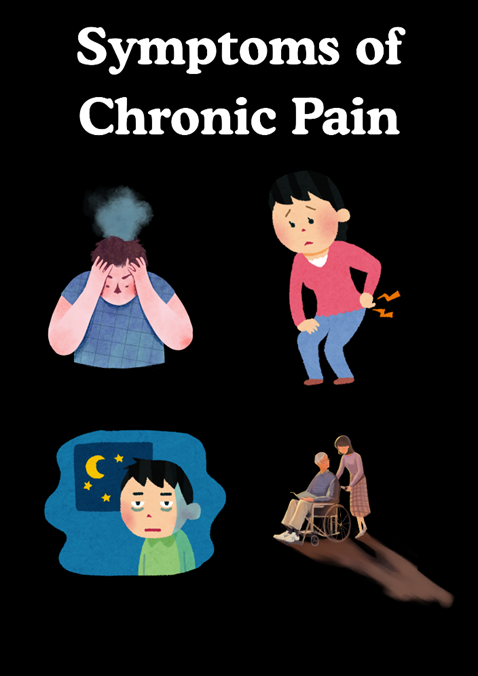
Symptoms of Chronic Pain
Chronic pain symptoms vary from patient to patient. The following are the symptoms commonly seen among patients with chronic pain.
- Poor Sleep
- Bad mood
- Persistent pain
- Fatigue
- Anxiety
- Decreased physical activity
- Immobility
Causes of Chronic Pain:
There are many causes of chronic pain, but some of the most common are discussed below.
Anxiety and Depression:
Certain medical conditions, like anxiety and stress, can increase the intensity and duration of underlying pain, which comes back again and again. A patient suffering from depression may feel more pain than usual due to reduced resilience to pain.
Arthritis and Fibromyalgia:
These are medical conditions that cause pain. This type of pain is persistent and thus called chronic pain. Inflammation of joints and weakness of muscles cause pain, respectively. Medications can treat the pain for a short duration, but it again comes back and never goes away.
Migraine:
A medical condition in which a patient suffers from chronic pain. It usually lasts for three or more days. The patient should observe and avoid common triggers that induce migraine pain.
Nerve pain:
Chronic pain can also occur due to nerve damage, like diabetic neuropathy, and due to compression of nerves, like Sciatica.
Other conditions
Poor posture, repetitive stress, and past surgical history can cause pain to come back again and again.
Types of chronic pain:
The following are the types of chronic pain that affect one’s life in every way.
- Migraine pain
- Arthritis pain
- Cancer pain
- Back pain
- Muscle pain
Diagnosis of Chronic Pain
The first and foremost diagnosis of this pain is that it recurs.
Your healthcare provider will look up the following things for diagnosis
- How much is this pain affecting daily life activities
- How often does it come back
- How much is it controlled after taking painkillers
- Do you have any chronic disease
- Did you recently undergo major surgery
- X-rays and MRIs
- Blood test
- Bone scan
- Nerve scan
- CT scan
- Previous medical history.
After all these questions and tests, your healthcare provider will decide whether it is chronic pain or a disease condition.
Management of Chronic Pain:
Chronic pain is managed by different techniques. Some are discussed here. Chronic comes back again and again, it manages to increase patients’ interest in daily life activities, and it also helps to overcome the mental stress that comes along with this pain.
Different healthcare workers, like physiotherapists, psychotherapists, and medical specialists, work together to make a patient’s life better.
Relaxation Techniques:
Certain relaxation techniques like cognitive behavioural therapy, meditation, and behavioural therapy are used to enhance patients’ ability to deal with and live with this pain. It causes relaxation of the mind and body, which affects different health conditions and eventually leads to the cure of underlying chronic disease.
Massage therapy and acupuncture techniques also increase the healing process and reduce pain.
Physiotherapy
A physiotherapist would suggest some daily exercises that will help to reduce the cause of chronic pain. Physiotherapy elevates patients’ mood and greatly increases the chances of getting better with each passing day.
Medications
Some medications, like anti-inflammatory medicines, are used to treat pain. Some analgesics and anti epileptic medicines are also used to treat neuropathic pain. In most cases, these medicines, along with other therapies, treat chronic pain. But in case of underlying chronic disease, repetitive use of these medicines further worsens the patient’s condition due to their adverse effects on the stomach after prolonged use.
Diet modifications
Nowadays, treatment of almost every disease has a main focus on diet modifications. People are becoming more aware that we are what we eat. Hence patient with chronic pain must avoid foods that contain more sugar as it enhances inflammation.
The patient should include anti-inflammatory foods in his diet, like green leafy vegetables and fish.
Sleep and posture modifications:
A better sleep routine reduces anxiety and stimulates the body’s own healing process, thereby reducing pain. And if chronic pain is caused by a prolonged sitting position, use cushion supports and change your body posture frequently to alleviate the chronic pain.
Get professional Support:
If chronic pain persists over a long duration of time and it is taking a toll on your mind, get professional help from pain-specialised centres to regain interest in your life.
The Bottom Line:
Certain conditions in life are sometimes difficult to deal with; chronic pain is one of them. It rebounds back and haunts one in routine activities. It can be managed through different techniques. The most important one to pay attention to in dealing with chronic pain is mental health. As chronic pain affects mental health, a patient loses interest in life and sometimes in living. Therefore, it’s best to seek professional help when things seem to be getting out of control.
Frequently Asked Questions
What is chronic pain?
Chronic pain is characterized by recurrent episodes that have persisted for more than three months. It may be brought on by an illness, trauma, or an unidentified factor.
How is it to live with chronic pain?
Chronic pain patients suffer from isolation, stress, and anxiety along with severe pain. Because chronic pain does not allow them to enjoy their life freely and causes hindrance in many activities.
It is advised to work less, but do not stop movement at all.
What is the main cause of chronic pain?
The main cause of chronic pain may be some injury, underlying disease condition, or surgery. This pain does not allow free movement, and hence, it puts the patient into a state of anxiety.
How to manage chronic pain without medication?
Physiotherapy and psychotherapy are two main ways to deal with chronic pain. Physiotherapy includes many exercises that help muscles relax and have a calming effect on mood. Psychotherapy deals with patient counselling and focuses emotional well-being of patients suffering from chronic pain.