Your eyes are among the most vital organs of your body, yet they are often overlooked until an issue arises. Regular eye exams are essential for maintaining eye health, detecting vision problems early, and preventing potential long-term damage. In this article, we will explore why eye exams are necessary, what tests are involved, and how they contribute to better overall health.
Why Regular Eye Exams Matter
Eye exams are crucial for detecting a wide range of conditions that may not present obvious symptoms in their early stages. Many serious eye diseases, such as glaucoma, macular degeneration, and diabetic retinopathy, can develop slowly without causing noticeable symptoms until significant damage has already occurred. Regular check-ups ensure that these conditions are identified early when they are most treatable.
Additionally, eye exams provide a comprehensive overview of your overall health. Certain systemic conditions, such as high blood pressure, diabetes, and even some forms of cancer, can be detected through changes in the eyes. By staying on top of your eye health, you also gain insight into your general well-being.
Key Tests Performed During an Eye Exam
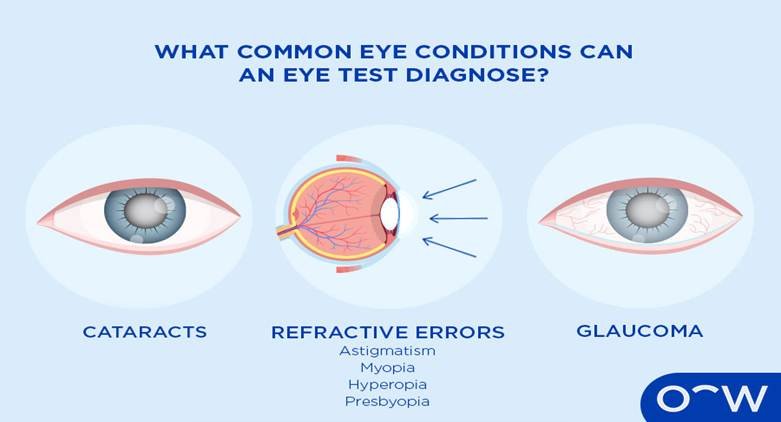
An eye exam typically involves a series of tests designed to evaluate the health of your eyes and your vision. These tests help identify refractive errors (such as nearsightedness or farsightedness), check for signs of disease, and assess the functioning of eye muscles and nerves.
1. Visual Acuity Test
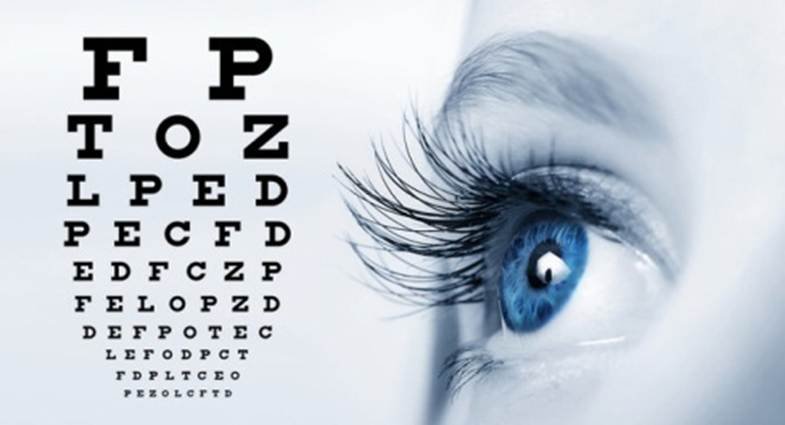
The visual acuity test is one of the most basic and common tests performed during an eye exam. It measures the sharpness of your vision at various distances using an eye chart, typically the Snellen chart. You will be asked to cover one eye at a time and read letters or numbers on the chart. This test helps to detect refractive errors like nearsightedness, farsightedness, and astigmatism.
2. Refraction Test
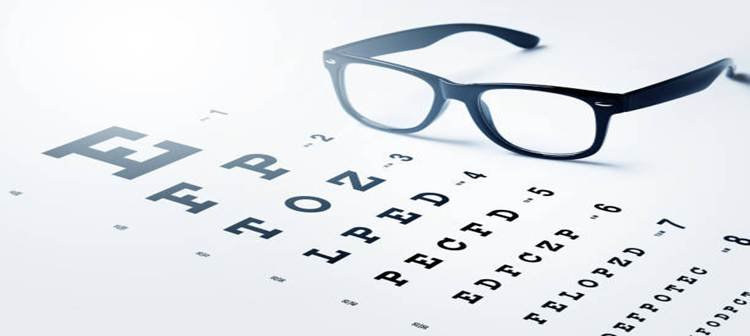
This test is used to determine your exact prescription for glasses or contact lenses. It involves looking through a series of lenses while the optometrist or ophthalmologist adjusts them to find the clearest option for you.
3. Slit-Lamp Examination
A slit-lamp exam provides a magnified, 3D view of the structures inside your eye, such as the cornea, lens, and retina. This test helps detect issues such as cataracts, macular degeneration, and other diseases of the eye’s internal structures. The slit-lamp uses a high-intensity light to allow the doctor to closely examine your eye tissue.
4. Intraocular Pressure Measurement (Tonometry)
This test is critical for detecting glaucoma, a condition that causes increased pressure within the eye and can lead to irreversible vision loss if untreated. A small puff of air or a probe is used to measure the pressure inside your eye, which is a key indicator of glaucoma risk.
5. Dilated Fundus Examination
In this test, the eye doctor will use special eye drops to dilate your pupils, allowing them to see the retina, optic nerve, and blood vessels at the back of your eye. This is essential for detecting conditions such as diabetic retinopathy, age-related macular degeneration, and retinal detachment.
6. Visual Field Test
The visual field test measures the range of vision in each eye. It helps detect blind spots or areas of vision loss that may not be noticeable to the patient. This is an important test for detecting glaucoma, stroke, and brain tumors.
Who Needs Regular Eye Exams?
Children and Adolescents: Early eye exams are crucial for detecting issues like amblyopia (lazy eye) or strabismus (crossed eyes), which can affect a child’s vision development. The American Optometric Association (AOA) recommends that children have their first comprehensive eye exam at 6 months, followed by additional exams at age 3 and before starting school.
Adults: For adults aged 18-60, a basic eye exam every two years is generally recommended, even if they do not have noticeable vision problems. Those with a family history of eye diseases or who wear contact lenses should have exams more frequently, typically every year.
Older Adults: People over 60 should have yearly eye exams to monitor for age-related eye diseases such as cataracts and macular degeneration, which are more common in older adults.
People with Chronic Health Conditions: Individuals with conditions like diabetes, hypertension, or a family history of eye disease should have more frequent exams to monitor for related eye conditions such as diabetic retinopathy or glaucoma.
The Long-Term Benefits of Regular Eye Exams
- Early Detection of Eye Diseases: Eye exams can detect the early signs of serious conditions like glaucoma, macular degeneration, and diabetic retinopathy, enabling timely intervention.
- Improved Quality of Life: Maintaining good vision through early detection and correction of vision problems can significantly improve daily activities, work productivity, and overall quality of life.
- Better Management of Systemic Health Conditions: Conditions like diabetes and hypertension can cause damage to the eyes. Eye exams can help manage these diseases more effectively by detecting complications early.
Conclusion
Regular eye exams are an essential part of maintaining good health and preserving vision. By scheduling routine eye exams, individuals can detect eye diseases early, receive timely treatment, and prevent long-term damage. Whether you’re young or elderly, experiencing vision problems or not, eye exams should be a priority. Early intervention is often the key to preserving vision and preventing more serious health complications.
FAQs
1. How often should I have an eye exam?
- Adults should have an eye exam every two years, but individuals with risk factors (like diabetes or a family history of eye disease) should get checked more frequently. Children should have exams starting at 6 months and continue through adolescence.
2. At what age should children have their first eye exam?
- The American Optometric Association recommends a comprehensive eye exam at 6 months of age, again at age 3, and before entering school.
3. Can I detect eye problems without an exam?
- Many eye conditions do not show symptoms in their early stages, which is why regular exams are important for detecting issues before they become more serious.
4. What happens during a dilated eye exam?
- During a dilated eye exam, special eye drops are used to enlarge your pupils. This allows the doctor to examine the retina and optic nerve for signs of disease.
5. Are eye exams expensive?
- The cost of eye exams can vary depending on your insurance plan and the type of exam. Many health insurance plans cover basic eye exams, but check with your provider to confirm the details.
__________________________________