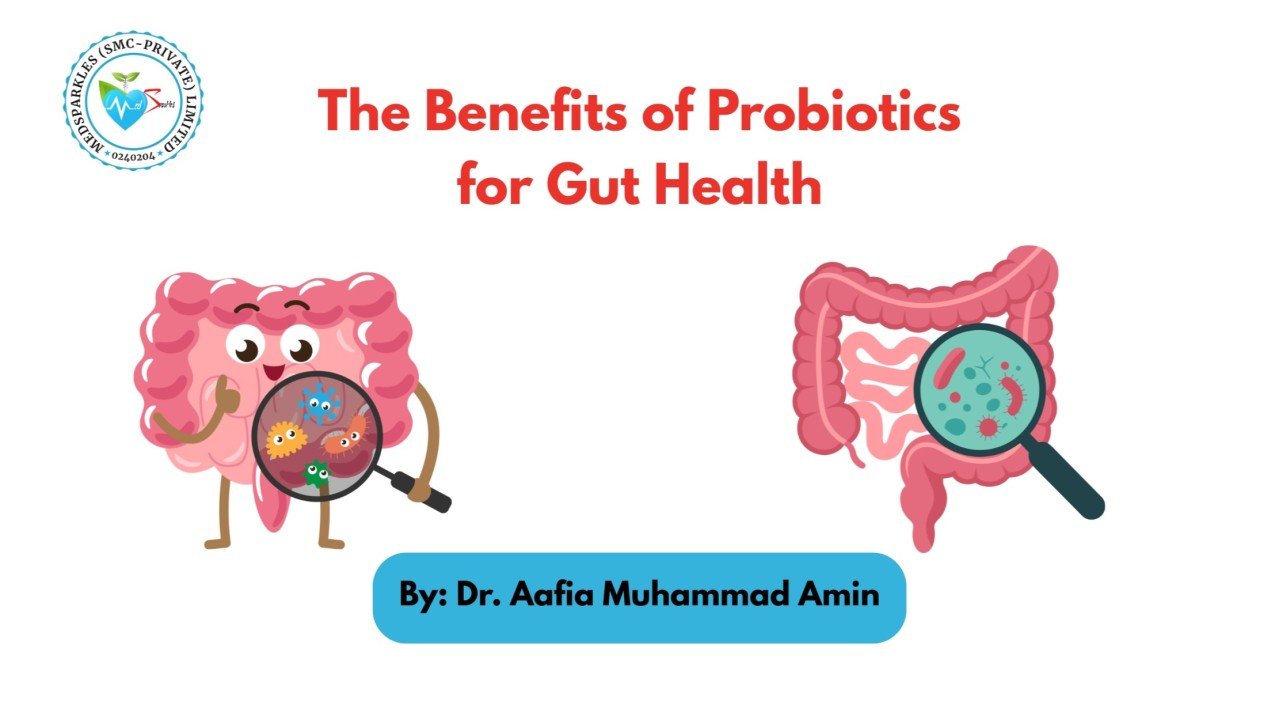
Our gut is often referred to as the second brain of the body. It is home to trillions of bacteria, both beneficial and detrimental, and plays a crucial role in digestion, immunity, mood regulation, and overall well-being. In recent years, probiotics have gained attention for their powerful effects on gut health.
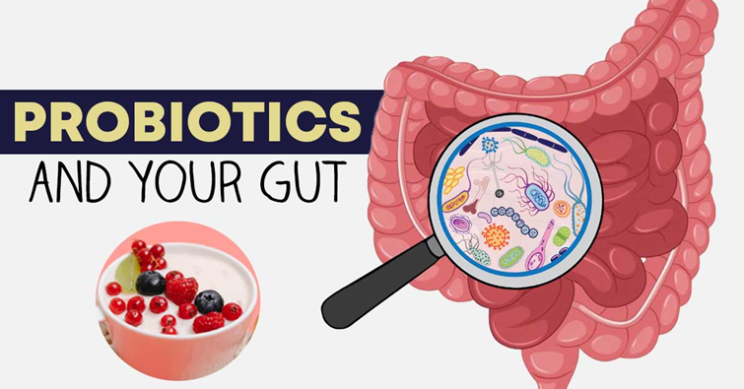
Probiotics are live microorganisms, often referred to as good bacteria. They are naturally found in fermented foods and also available as dietary supplements in the form of capsules, powders, and liquids. Their primary role is to maintain a healthy balance of gut bacteria, supporting overall health. In this blog, we will explore the benefits of probiotics and how they can transform gut health naturally.
Benefits of Probiotics
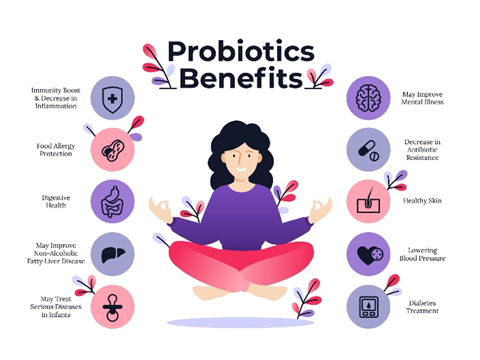
Probiotics are the agents that can help restore the health of your gut, enhance immunity, and improve overall quality of life, leading to noticeable improvements. Their benefits are described below:
1. Reduces Diarrhea and Constipation
Studies have shown that probiotics can help prevent and treat diarrhea caused by infections or antibiotics. Antibiotics, while fighting harmful bacteria, often disrupt the gut’s natural balance. Taking probiotics during and after antibiotic use can replenish the healthy gut flora, reducing the risk of antibiotic-associated diarrhea, supporting smooth digestion, and promoting healthy bowel movements.
Probiotics may also relieve constipation by softening stool and improving bowel regularity. People with chronic constipation may find certain strains of probiotics particularly helpful.
2. Support Nutrient Absorption
A healthy gut flora enhances the absorption of nutrients such as vitamins, minerals, and amino acids. Certain probiotic strains enhance the digestion of complex foods, aid in the breakdown of lactose, and others aid in the synthesis of essential vitamins like vitamin K and some B vitamins. Better nutrient absorption means more energy, stronger immunity, and overall vitality.
3. Reduces Symptoms of Irritable Bowel Syndrome
Irritable bowel syndrome, commonly known as IBS, is a chronic digestive disorder that causes bloating, abdominal pain, and irregular bowel habits. Some studies suggest that specific probiotics, like Bifidobacterium and Lactobacillus strains, can reduce IBS symptoms and improve quality of life.
4. Strengthens the Immune system
A healthy gut is the cornerstone of a strong immune system. The gut hosts around 70 percent of the body’s immune cells, meaning your gut health directly impacts your ability to fight infections.
Probiotics help modulate the immune response, enhancing the body’s ability to fight infections while preventing excessive inflammation. Some research suggests regular probiotic consumption may even shorten the duration of common colds and respiratory infections.
5. Influences Mental Health
The gut and the brain are closely connected through what scientists call the gut-brain axis. Research suggests that gut health influences mood, stress levels, and even cognitive function. Probiotics may positively affect this connection.
Certain probiotics may reduce anxiety and depression symptoms by producing neurotransmitters and calming inflammation in the gut. While more research is needed, these findings highlight the potential of probiotics as a natural way to support mental well-being.
6. Regulates Metabolism
Emerging research indicates that gut bacteria may play a role in weight management and metabolism. Hence, an imbalance in gut flora can contribute to obesity, insulin resistance, and metabolic disorders. Probiotics can help restore balance and improve the body’s ability to regulate weight.
Some studies show that probiotics can reduce body fat percentage and support metabolic health by influencing the hormones that regulate appetite and fat storage. While probiotics are not a magic weight loss solution, and they cannot replace healthy eating and exercise alone. They can complement a lifestyle aimed at maintaining a healthy weight and metabolism.
Choosing the Right Probiotic
Not all probiotics are created equal. Different strains provide different benefits. When selecting a probiotic, healthcare practitioners consider the following:
- Strain specificity: Choose a probiotic that targets your health concern. For example, Lactobacillus rhamnosus GG is well-studied for diarrhea, while Bifidobacterium infantis may help with IBS.
- CFU count: CFU stands for colony-forming units, indicating the number of live bacteria. A higher CFU count does not always mean better results.
- Quality and storage: Look for reputable brands that guarantee live cultures until the expiration date. Some probiotics require refrigeration to maintain potency.
- Dietary sources: Incorporate probiotic-rich foods into your diet alongside supplements for maximum benefits.
Incorporating Probiotics Into Your Lifestyle
Adding probiotics to your routine can be simple and delicious. Here are some practical tips:
- Include fermented food like yogurt in your meals regularly.
- Combine probiotics with prebiotics, the fiber-rich foods that feed good bacteria, such as bananas, onions, garlic, and oats.
- Avoid overusing antibiotics unless necessary, as they can disrupt gut balance.
- Stay hydrated, manage stress, and get regular exercise, which all support gut health.
Safety and Considerations
Probiotics are generally safe for healthy individuals. However, people with weakened immune systems, serious illnesses, or recent surgery should consult a healthcare professional before taking probiotics.
Conclusion
Probiotics offer a wide range of benefits for gut health, immunity, mental well-being, and even metabolism. By restoring the balance of good bacteria in your gut, probiotics can enhance digestion, strengthen immunity, and improve overall quality of life. While more research is ongoing, current evidence supports the role of probiotics as a valuable addition to a healthy lifestyle.
Incorporating probiotic-rich foods and supplements can be a simple and natural way to support your gut health and overall wellness. There’s truly a second brain in your gut, and taking care of it can have far-reaching effects on your mind, body, and mood.
Frequently Asked Questions (FAQs)
Q1: Can probiotics cure digestive disorders?
A1: Probiotics cannot cure digestive disorders but can help reduce symptoms and improve gut health when used consistently.
Q2: How long does it take for probiotics to work?
A2: Effects can be seen in a few days to a few weeks, depending on the condition and probiotic strain.
Q3: Are probiotic foods better than supplements?
A3: Both have benefits. Foods provide a variety of strains and nutrients, while supplements offer targeted strains in higher concentrations.
Q4: Can children take probiotics?
A4: Yes, many probiotic strains are safe for children. Always consult a pediatrician for guidance on dosage and strain selection.