Becoming a mother is one of life’s most thrilling journeys, but it also comes with responsibilities that save both you and your baby. One health condition that silently appears during pregnancy is gestational diabetes, a type of diabetes diagnosed early in pregnancy. It influences how your body uses glucose, leading to higher-than-normal blood sugar levels that can affect you and your baby if left unchecked.
The Encouraging news? You have the potential to control it. Balanced eating, medication when required, regular exercise, most women manage their blood sugar successfully and enjoy a healthy pregnancy. Gestational Diabetes is not just about being familiar with the diagnosis; it is about learning how to save yourself, support your baby’s growth, and stay healthy long after childbirth. Let’s explore how you can do that effectively.
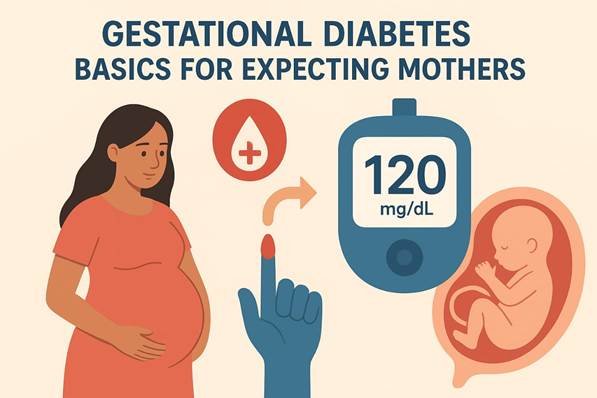
Gestational Diabetes basics for Expecting Mothers
Gestational diabetes (GD) is a type of diabetes that develops gradually in pregnancy when blood sugar levels get too high (hyperglycemia). It occurs when hormones from the placenta block your ability to produce insulin. Insulin assists your body in maintaining the correct concentration of glucose in your blood. Too much glucose in your blood can lead to pregnancy complications. GD usually appears in the middle of pregnancy, between 24 to 28 weeks.
Developing GD doesn’t mean you already had diabetes before you got pregnant. The condition develops because of pregnancy. People with type 1 and type 2 diabetes before pregnancy have their own, different challenges when they become pregnant. The rate of GD worldwide, on average, is between 14% to 17%. Other factors can contribute to rates being higher, such as age, ethnicity, access to prenatal care, and geography.
Early Screening for a Healthy Pregnancy
Early screening during pregnancy plays a significant role in keeping both mother and baby healthy. Routine fetal monitoring helps our doctors check the baby’s heartbeat and evaluate well-being. External monitors placed on the abdomen track the heart rate and contraction pattern. Glucose testing is an essential part of early screening. Between 24 to 28 weeks, a glucose challenge test is performed to check blood sugar levels.
Other Screening for group B streptococcus (GBS) is advised for all pregnant women between 35 and 37 weeks. GBS may cause placental infections, urinary infections, and risks for the newborn, such as pneumonia or meningitis. These screening tests guide safe care throughout pregnancy, help in identifying hidden risks, support early treatment, and ensure better outcomes. By following recommended screening schedules, expectant mothers can take beneficial steps toward protecting their health and offer their babies the best possible start.
Nutrition and Lifestyle for Blood Sugar Control
Nutrition therapy is the first-line approach, aiming to keep healthy glucose patterns while supporting fetal growth. Carbohydrates are the key macronutrients that regulate blood glucose; therefore, attention is placed on managing quantity, type, and diffusion throughout the day. A minimum of 175g/day of carbohydrates is recommended to reach fetal energy requirements and prevent the ketones creation. Dietary fiber intake of 25-28g daily is encouraged to improve glucose handling. Meal timing and distribution are important; three meals and 2-3 snacks prevent large glucose variations, and breakfast may require attentiveness due to greater monitoring of glucose responses, although research is inconclusive.
Moreover, Artificial sweeteners are extensively used and generally considered safe during pregnancy, but their long-term metabolic effects remain unpredictable. Overall, combining balanced macronutrient intake, controlled carbohydrate quality, distribution, appropriate weight gain, and regular physical activity constitutes the base of effective blood sugar control in Gestational Diabetes.
Safe Monitoring and Medical Management
Safe monitoring and management start with regular blood sugar checks. A balanced diet is a keystone of medical management. Mothers are motivated to eat small, frequent meals including complex carbohydrates, choose lean protein sources, drink plenty of water, and limit sugary or processed foods. Safe exercise, such as walking, swimming, and stretching, enhances insulin sensitivity and helps both physical and emotional well-being.
In some cases, lifestyles change alone may not be enough. When necessary, doctors may prescribe medication or insulin therapy to manage blood glucose levels. Ongoing parental checkups are crucial in maintaining safe management. These visits allow healthcare teams to monitor blood sugar control, assess fetal growth, perform an ultrasound, and address concerns early.
Protecting Mother and Baby from Complications
Gestational diabetes can be successfully managed to protect both the mother and baby from complications. Screening between 24 and 28 weeks helps early detection, so treatment can begin before problems develop. Most people control GD through balanced nutrition, so consultation with a nutritionist helps the mother know which foods affect blood sugar and how to plan healthy meals. Extra prenatal visits and ultrasound scans are often scheduled to monitor the baby’s growth, since uncontrolled GD can make the baby too large.
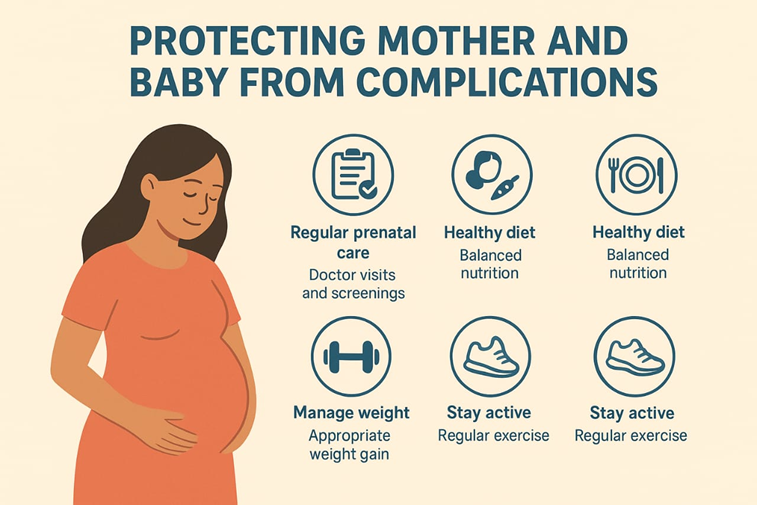
If lifestyle changes are not sufficient, insulin may be prescribed, and taking it exactly as directed helps prevent complications. Safe exercise also helps regulate glucose. With quality prenatal care, ongoing glucose management, and active participation in the treatment plan, most women with GD deliver healthy babies and avoid major complications.
Postpartum Care and Future Diabetes Prevention
Postpartum care following gestational diabetes is an interpretative window for hindering future progression to type 2 diabetes, as one in two women with GD develops diabetes within ten years, with the highest risk chances in the first five years. Women frequently lack knowledge about their increased risk, have low recognition of preventive behaviors, and describe inadequate follow-up support after giving birth. Barriers include poor risk perceptions, minimal postpartum guidance, and limited family support.
Lifestyle interventions begin early after birth, particularly those encouraging physical activity, a healthy diet, breastfeeding, and, where appropriate, antidiabetic medicine, significantly lower the prevalence of postpartum diabetes. Enhancing women’s risk awareness, ensuring continued follow-up, and merging a multidisciplinary care model are essential to reduce long-term diabetes development after gestational diabetes.
Conclusion
Gestational diabetes (GD) is preventable when mothers receive timely screening, consistent follow-up care, and actual guidance. Through balanced nutrition, regular physical activity, and proper medical support, most women effectively maintain healthy glucose levels. Ongoing prenatal monitoring ensures that any trouble is addressed promptly. Postpartum lifestyle adjustment, breastfeeding, and regular glucose checks considerably reduce this risk. With an appropriate support system and informed decision-making, mothers can protect their well-being and give their babies the healthiest possible start.
Frequently Asked Questions (FAQS)
What is gestational diabetes, and why does it happen?
It’s a type of diabetes that develops during pregnancy when your body can’t regulate blood sugar levels properly due to hormonal changes.
Does having gestational diabetes increase my risk of diabetes later on?
Yes, it increases the risk of type 2 diabetes in the future, but a healthy lifestyle can minimize that risk.
What foods should I focus on or avoid?
Vegetables, protein, whole grains, and high-fiber foods. Avoid refined carbs, sugary drinks, and highly processed snacks.
Will gestational diabetes go away after delivery?
It usually goes away, but you still need a postpartum sugar test to confirm.
Can I control gestational diabetes without medication?
Yes. Many women cope with this condition through dietary changes, portion control, and regular activity. Medication is used only when required.
Is gestational diabetes harmful to my baby or me?
It can cause complications if not managed, but with actual care, most women deliver healthy babies.
How and when is gestational diabetes diagnosed?
Most women get screened between 24-28 weeks through a glucose tolerance test.