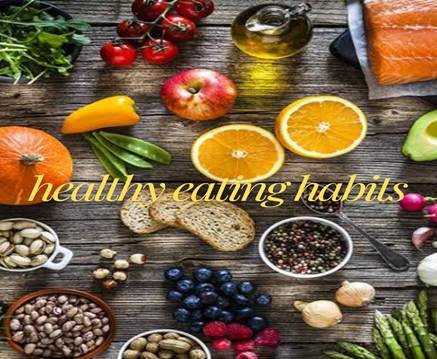
Healthy eating habits are the foundation of a balanced and fulfilling lifestyle. The food choices we make each day have a direct impact on our energy levels, mood, and overall well-being. In today’s fast-paced world, where processed foods and irregular eating patterns are common, maintaining a nutritious diet has become more important than ever. A balanced diet that includes fruits, vegetables, whole grains, proteins, and healthy fats not only nourishes the body but also supports mental and emotional health. Developing mindful eating habits helps us stay fit, prevent lifestyle diseases, and lead a more active and productive life.
Understanding the Concept of a Balanced Diet
A balanced diet means consuming a variety of foods in the right proportions to provide the body with essential nutrients, including carbohydrates, proteins, fats, vitamins, minerals, and water. Each nutrient plays a specific role in maintaining body functions.
- Carbohydrates provide energy.
- Proteins help build and repair tissues.
- Fats support brain health and hormone production.
- Vitamins and minerals regulate bodily processes.
- Water keeps the body hydrated and aids digestion.
Importance of Healthy Eating for a Balanced Lifestyle
Healthy eating promotes physical, emotional, and mental well-being. It helps maintain a healthy weight, reduces the risk of lifestyle diseases, enhances mood, and improves focus and productivity.
For instance, consuming whole grains and vegetables provides sustained energy, while limiting processed sugar helps prevent energy crashes and mood swings. A balanced diet also strengthens the immune system, supports proper growth in children, and slows the aging process in adults.
Incorporating Fruits and Vegetables Daily
Fruits and vegetables are powerhouses of vitamins, minerals, fiber, and antioxidants. They protect the body from inflammation and free radicals that cause cellular damage.
Including these in your meals and snacks enhances digestion, keeps you full longer, and helps in maintaining glowing skin and healthy hair.
Choosing Whole Grains Over Refined Grains
Whole grains such as brown rice, oats, quinoa, and whole wheat bread contain fiber, iron, and B vitamins that refined grains lack. Fiber aids in digestion, prevents constipation, and helps control blood sugar levels.
When you replace white bread or white rice with their whole-grain alternatives, you not only feel full for longer but also reduce your risk of obesity and heart disease.
The Role of Protein in a Balanced Diet
Protein is essential for muscle repair, enzyme production, and overall growth. It’s important to include both plant-based and animal-based protein sources in your diet.
Having a protein-rich breakfast helps maintain energy levels and prevents overeating later in the day.
Healthy Fats: Understanding the Good and the Bad
Not all fats are harmful. Healthy fats, like unsaturated fats, play a crucial role in brain function and cell growth. Sources include olive oil, avocados, nuts, and fatty fish like salmon.
Avoid trans fats and limit saturated fats found in fried foods, processed snacks, and bakery items. These unhealthy fats can increase bad cholesterol (LDL) and raise the risk of heart disease.
Hydration: The Forgotten Key to Health
Water is often the most overlooked part of healthy eating. Staying hydrated aids digestion, maintains body temperature, and flushes out toxins.
Experts recommend drinking at least 8-10 glasses of water daily, though needs may vary depending on activity level and climate. Herbal teas, coconut water, and fresh fruit juices (without added sugar) are also great hydration options.
Avoid sugary drinks and carbonated beverages, which can lead to dehydration and unnecessary calorie intake.
Benefits of Regular Meal Patterns
Eating meals at consistent times each day helps regulate metabolism and prevents overeating. Skipping meals often leads to fatigue, poor concentration, and unhealthy snacking. Regular meal patterns keep blood sugar levels stable and improve digestion.
The Role of Physical Activity
Healthy eating works best when combined with regular exercise. Physical activity helps maintain a healthy weight, strengthens muscles and bones, and boosts mood and energy levels.
Limiting Processed and Sugary Foods
Processed foods are often high in salt, unhealthy fats, and artificial additives. Regular consumption can lead to obesity, diabetes, and cardiovascular diseases. Try to minimize fast food, packaged snacks, and sugary drinks.
Replace them with healthier alternatives like air-popped popcorn, homemade smoothies, or baked snacks. Small changes like these can significantly improve your long-term health.
Planning and Preparing Balanced Meals
Meal planning is one of the most effective strategies to maintain healthy eating habits. Preparing your meals in advance allows you to make better choices and saves time.
A few tips
- Create a weekly meal plan including all food groups.
- Keep healthy snacks like nuts or fruit accessible.
- Read food labels to check for hidden sugars or unhealthy ingredients.
- Practice moderation instead of restriction to avoid cravings.
The Link Between Diet and Mental Health
What you eat affects not only your body but also your brain. Diets rich in omega-3 fatty acids, antioxidants, and vitamins (especially B vitamins) support brain health, improve memory, and reduce symptoms of depression and anxiety.
Foods like fatty fish, berries, leafy greens, and nuts have been shown to enhance cognitive function and mood. On the other hand, diets high in processed foods can increase stress and fatigue levels.
Conclusion
Healthy eating habits are the cornerstone of a balanced lifestyle. They empower you to live with more energy, better focus, and greater emotional stability. By choosing whole, natural foods and practicing moderation, you can build a diet that supports both physical and mental well-being.
FAQs
Q. What is the best way to start eating healthy?
A. Start by making small changes, drinking more water, including fruits and vegetables in every meal, and reducing processed foods. Gradual steps build lasting habits.
Q. Are fats completely bad for health?
A. No. Healthy fats like those from avocados, nuts, and olive oil are essential. Only trans fats and excessive saturated fats should be avoided.
Q. Are supplements necessary if I eat healthy?
A. If you maintain a balanced diet, supplements may not be needed. However, consult your doctor if you have deficiencies or dietary restrictions.
Q. How can I make healthy eating affordable?
A. Buy seasonal products, cook at home, and plan meals to reduce waste and save money.