A healthy gut is much more than just good digestion. It affects your energy, mood, skin, immunity, sleep, and overall well-being. When your digestive system is balanced, your whole body works smoother. But when the gut is disturbed through stress, poor diet, or certain conditions, it can lead to problems like bloating and Irritable Bowel Syndrome (IBS).
One of the most effective natural ways to support gut health is through probiotics (the helpful bacteria that live inside your digestive system).
Understanding the Gut: Your Body’s Hidden Superpower
Your gut is home to trillions of microorganisms, including bacteria, fungi, and microbes. Together, they form the gut microbiome that is one of the most powerful systems in your body.
The gut breaks down food, absorbs nutrients, supports immunity, regulates hormones, and affects mood through the gut-brain connection.
In fact, more than 70% of your immune system is linked to your gut, and scientists often call the gut the “second brain.”
What Happens When the Gut Is Unbalanced?
When the balance between good and bad bacteria is disturbed, a condition called dysbiosis and you may experience:
● bloating
● gas
● constipation or diarrhea
● fatigue
● mood swings
● food intolerance
● stomach pain
Many modern habits disturb the gut, including:
● eating too much processed food
● stress
● taking antibiotics
● skipping meals
● low-fiber diet
● lack of sleep
This imbalance can make the digestive system extra sensitive, which is common in IBS.
IBS: Irritable Bowel Syndrome – What You Need to Know
IBS is a common digestive condition, especially in teens and young adults. It affects how the gut moves food and how sensitive the intestines are.
Common symptoms of IBS include:
● stomach cramps
● bloating
● diarrhea, constipation, or both
● feeling of incomplete bowel movement
● sensitivity to certain foods
IBS doesn’t cause long-term damage, but it can be uncomfortable and affect daily life.
Common triggers for IBS:
● stress or anxiety
● eating too fast
● dairy or spicy foods
● caffeine or soft drinks
● low-fiber diet
● hormonal changes
IBS is different for everyone. Some people have constipation-type IBS, some have diarrhea-type, and some have mixed symptoms.
If someone experiences IBS-like symptoms regularly, they should talk to a doctor or healthcare provider for proper assessment.
Bloating: Why Does It Happen?
Bloating is one of the most common digestive complaints. It feels like your stomach is full, tight, or swollen.
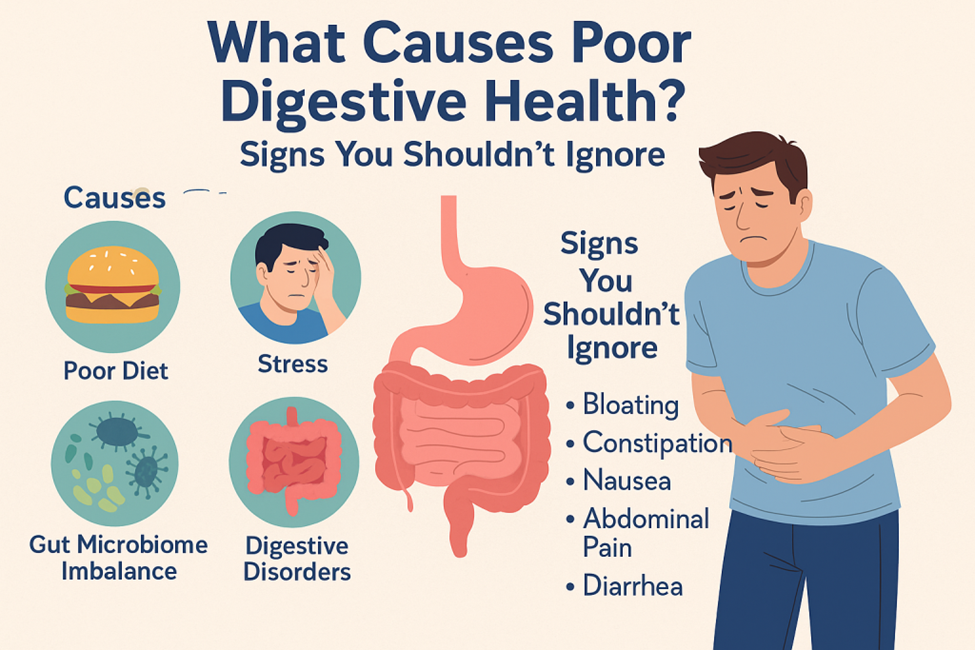
Major causes of bloating include:
1. Eating fast or overeating
2. Gas buildup in the intestines
3. Food intolerance
4. Low-fiber diet
5. Stress
6. Gut bacteria imbalance
7. Constipation
For many people, bloating comes and goes. But if it happens often, it may be linked to IBS or microbiome imbalance.
The Gut–Brain Connection
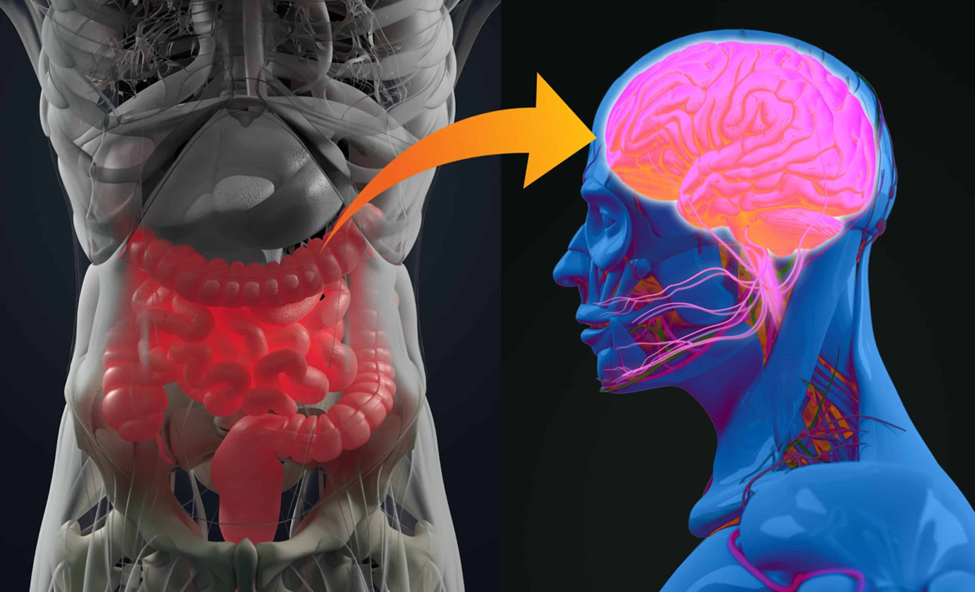
Have you ever noticed that stress gives you a stomachache?
Or when you’re nervous, your stomach feels “butterflies”?
This happens because your gut and brain are connected through a system called the gut-brain axis.
When you feel stressed:
● gut movement slows
● digestion becomes irregular
● bloating increases
● sensitivity to pain increases
This is why people with IBS often notice their symptoms worsen during stress or exams.
Probiotics: Your Gut’s Best Friend
Probiotics are good bacteria that help keep your digestive system healthy.
They naturally exist in your gut, but you can also get more through foods or supplements.
How probiotics help
Probiotics helps by:
● restore balance in gut bacteria
● improve digestion
● reduce bloating and gas
● support the immune system
● help with bowel regularity
● ease mild IBS symptoms
● reduce some food sensitivities
● support mood through the gut-brain axis
Probiotics work like tiny helpers inside your stomach, keeping everything running smoothly.
Best Natural Sources of Probiotics
Many everyday foods contain probiotics, such as:
● Yogurt with live cultures
● Kefir
● Kimchi
● Sauerkraut
● Miso
● Tempeh
● Pickles (naturally fermented)
● Buttermilk
Eating a combination of probiotic-rich foods and fiber-rich foods boosts gut health naturally.
Prebiotics: Food for the Good Bacteria
Probiotics are the good bacteria,and prebiotics are the food they need to grow.
Foods rich in prebiotics include:
● bananas
● apples
● oats
● garlic
● onions
● lentils
● beans
● whole grains
● carrots
Eating both probiotics and prebiotics together creates a strong and healthy gut.
Lifestyle Habits for a Healthier Gut
simple, everyday habits that support digestion and reduce IBS or bloating symptoms:
● Eat Slowly
Chewing food properly prevents gas and reduces bloating.
● Drink Water Regularly
Hydration helps digestion and supports bowel movement.
● Add More Fiber Gradually
Fruits, vegetables, and whole grains help with regularity.
● Avoid Too Much Junk Food
Highly processed foods disturb the gut microbiome.
● Reduce Stress
Deep breathing, walking, good sleep, and hobbies make a big difference.
● Limit Fizzy/Carbonated Drinks
These increase gas and bloating.
● Don’t Skip Meals
Irregular eating disturbs gut rhythm.
● Consider Probiotics
Probiotics can support gut balance, especially when taken consistently.
How Probiotics Help With IBS
Research suggests that probiotics may help some people with IBS by:
● improving stool consistency
● reducing bloating
● lowering gut sensitivity
● calming inflammation
● promoting smoother digestion
While not a cure, they can be part of a healthy routine to support gut comfort.
Signs of a Healthy Gut
You may have a balanced gut if you experience:
● regular, comfortable digestion
● little to no bloating
● healthy energy levels
● strong immunity
● good sleep
● stable mood
Conclusion
A healthy gut truly leads to a healthy life. Whether you’re dealing with bloating, IBS, or just trying to improve digestion, the key is to keep your gut microbiome balanced. Eating probiotic-rich foods, managing stress, getting enough sleep, and eating a variety of nutritious foods all contribute to a stronger digestive system.
FAQs
Q. Can probiotics reduce bloating?
A.Yes, probiotics can help reduce bloating by balancing gut bacteria, but results vary from person to person.
Q. Is IBS dangerous?
A.No, IBS is not dangerous, but it can be uncomfortable. Healthy habits and medical guidance can help manage it.
Q.Can stress cause stName:Zarlish Ali
Email:zarlishali6581@gmail.com
Reference id:B-14/CW-0237
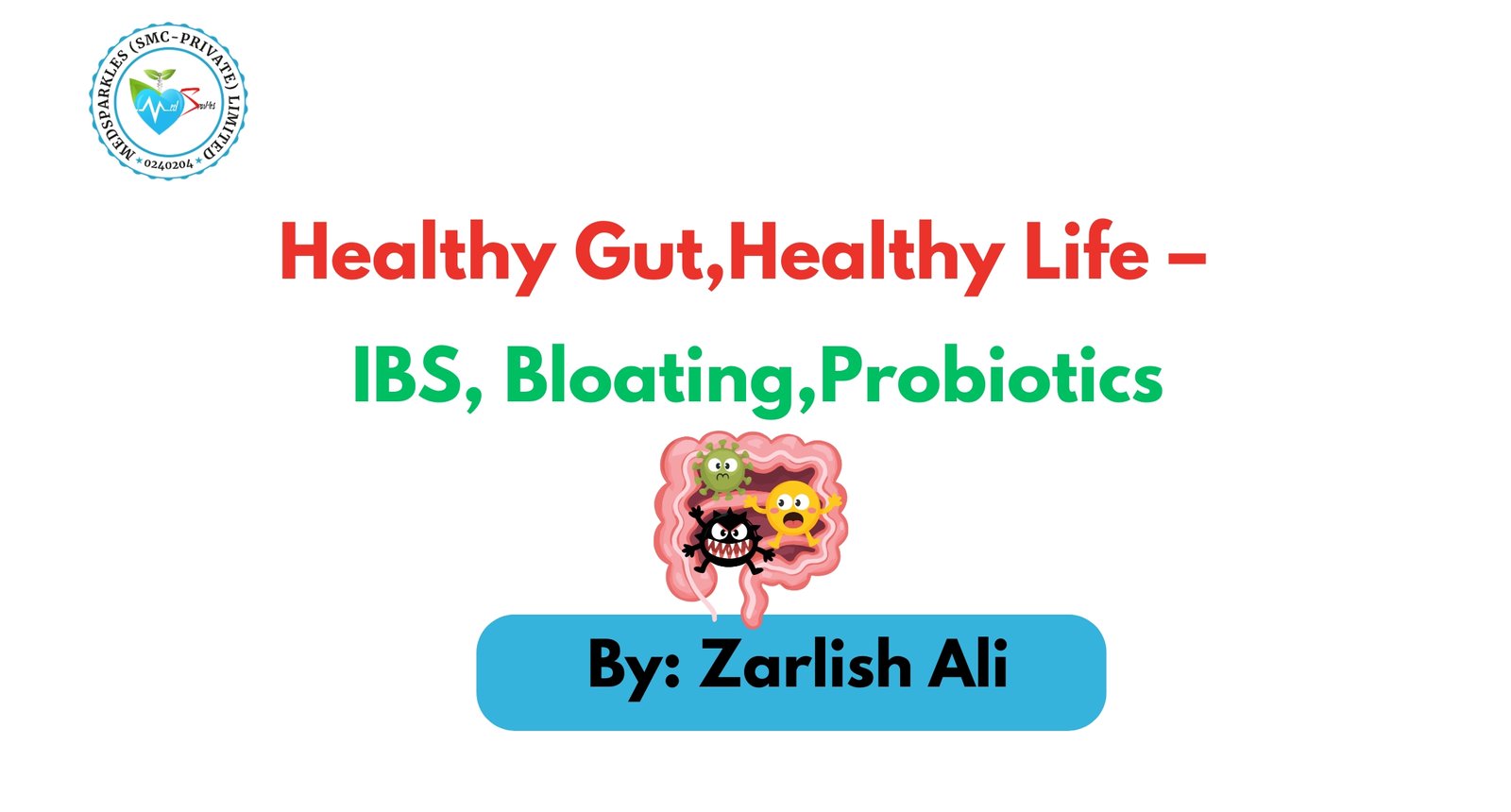
Healthy Gut,Healthy Life – IBS, Bloating,Probiotics
A healthy gut is much more than just good digestion. It affects your energy, mood, skin, immunity, sleep, and overall well-being. When your digestive system is balanced, your whole body works smoother. But when the gut is disturbed through stress, poor diet, or certain conditions, it can lead to problems like bloating and Irritable Bowel Syndrome (IBS).
One of the most effective natural ways to support gut health is through probiotics (the helpful bacteria that live inside your digestive system).
Understanding the Gut: Your Body’s Hidden Superpower
Your gut is home to trillions of microorganisms, including bacteria, fungi, and microbes. Together, they form the gut microbiome that is one of the most powerful systems in your body.
The gut breaks down food, absorbs nutrients, supports immunity, regulates hormones, and affects mood through the gut-brain connection.
In fact, more than 70% of your immune system is linked to your gut, and scientists often call the gut the “second brain.”
What Happens When the Gut Is Unbalanced?
When the balance between good and bad bacteria is disturbed, a condition called dysbiosis and you may experience:
● bloating
● gas
● constipation or diarrhea
● fatigue
● mood swings
● food intolerance
● stomach pain
Many modern habits disturb the gut, including:
● eating too much processed food
● stress
● taking antibiotics
● skipping meals
● low-fiber diet
● lack of sleep
This imbalance can make the digestive system extra sensitive, which is common in IBS.
IBS: Irritable Bowel Syndrome – What You Need to Know
IBS is a common digestive condition, especially in teens and young adults. It affects how the gut moves food and how sensitive the intestines are.
Common symptoms of IBS include:
● stomach cramps
● bloating
● diarrhea, constipation, or both
● feeling of incomplete bowel movement
● sensitivity to certain foods
IBS doesn’t cause long-term damage, but it can be uncomfortable and affect daily life.
Common triggers for IBS:
● stress or anxiety
● eating too fast
● dairy or spicy foods
● caffeine or soft drinks
● low-fiber diet
● hormonal changes
IBS is different for everyone. Some people have constipation-type IBS, some have diarrhea-type, and some have mixed symptoms.
If someone experiences IBS-like symptoms regularly, they should talk to a doctor or healthcare provider for proper assessment.
Bloating: Why Does It Happen?
Bloating is one of the most common digestive complaints. It feels like your stomach is full, tight, or swollen.
Major causes of bloating include:
1. Eating fast or overeating
2. Gas buildup in the intestines
3. Food intolerance
4. Low-fiber diet
5. Stress
6. Gut bacteria imbalance
7. Constipation
For many people, bloating comes and goes. But if it happens often, it may be linked to IBS or microbiome imbalance.
The Gut–Brain Connection
Have you ever noticed that stress gives you a stomachache?
Or when you’re nervous, your stomach feels “butterflies”?
This happens because your gut and brain are connected through a system called the gut-brain axis.
When you feel stressed:
● gut movement slows
● digestion becomes irregular
● bloating increases
● sensitivity to pain increases
This is why people with IBS often notice their symptoms worsen during stress or exams.
Probiotics: Your Gut’s Best Friend
Probiotics are good bacteria that help keep your digestive system healthy.
They naturally exist in your gut, but you can also get more through foods or supplements.
How probiotics help
Probiotics helps by:
● restore balance in gut bacteria
● improve digestion
● reduce bloating and gas
● support the immune system
● help with bowel regularity
● ease mild IBS symptoms
● reduce some food sensitivities
● support mood through the gut-brain axis
Probiotics work like tiny helpers inside your stomach, keeping everything running smoothly.
Best Natural Sources of Probiotics
Many everyday foods contain probiotics, such as:
● Yogurt with live cultures
● Kefir
● Kimchi
● Sauerkraut
● Miso
● Tempeh
● Pickles (naturally fermented)
● Buttermilk
Eating a combination of probiotic-rich foods and fiber-rich foods boosts gut health naturally.
Prebiotics: Food for the Good Bacteria
Probiotics are the good bacteria,and prebiotics are the food they need to grow.
Foods rich in prebiotics include:
● bananas
● apples
● oats
● garlic
● onions
● lentils
● beans
● whole grains
● carrots
Eating both probiotics and prebiotics together creates a strong and healthy gut.
Lifestyle Habits for a Healthier Gut
simple, everyday habits that support digestion and reduce IBS or bloating symptoms:
● Eat Slowly
Chewing food properly prevents gas and reduces bloating.
● Drink Water Regularly
Hydration helps digestion and supports bowel movement.
● Add More Fiber Gradually
Fruits, vegetables, and whole grains help with regularity.
● Avoid Too Much Junk Food
Highly processed foods disturb the gut microbiome.
● Reduce Stress
Deep breathing, walking, good sleep, and hobbies make a big difference.
● Limit Fizzy/Carbonated Drinks
These increase gas and bloating.
● Don’t Skip Meals
Irregular eating disturbs gut rhythm.
● Consider Probiotics
Probiotics can support gut balance, especially when taken consistently.
How Probiotics Help With IBS
Research suggests that probiotics may help some people with IBS by:
● improving stool consistency
● reducing bloating
● lowering gut sensitivity
● calming inflammation
● promoting smoother digestion
While not a cure, they can be part of a healthy routine to support gut comfort.
Signs of a Healthy Gut
You may have a balanced gut if you experience:
● regular, comfortable digestion
● little to no bloating
● healthy energy levels
● strong immunity
● good sleep
● stable mood
Conclusion
A healthy gut truly leads to a healthy life. Whether you’re dealing with bloating, IBS, or just trying to improve digestion, the key is to keep your gut microbiome balanced. Eating probiotic-rich foods, managing stress, getting enough sleep, and eating a variety of nutritious foods all contribute to a stronger digestive system.
FAQs
Q. Can probiotics reduce bloating?
A.Yes, probiotics can help reduce bloating by balancing gut bacteria, but results vary from person to person.
Q. Is IBS dangerous?
A.No, IBS is not dangerous, but it can be uncomfortable. Healthy habits and medical guidance can help manage it.
Q.Can stress cause stomach problems?
A.Definitely. Stress affects digestion and can trigger bloating or IBS symptoms.
Q.Which food is best for gut health?
A.Yogurt, fruits, vegetables, whole grains, and fermented foods all support a healthy gut.
Q.How long do probiotics take to work?
A.It usually takes a few weeks of consistent use to feel improvement.
omach problems?
A.Definitely. Stress affects digestion and can trigger bloating or IBS symptoms.
Q.Which food is best for gut health?
A.Yogurt, fruits, vegetables, whole grains, and fermented foods all support a healthy gut.
Q.How long do probiotics take to work?
A.It usually takes a few weeks of consistent use to feel improvement.