Develop healthy daily routines that enhance concentration, increase energy, and maintain productivity. Discover how small changes in your lifestyle promote long-term achievement and mental clarity.
The Science of a Productive Day
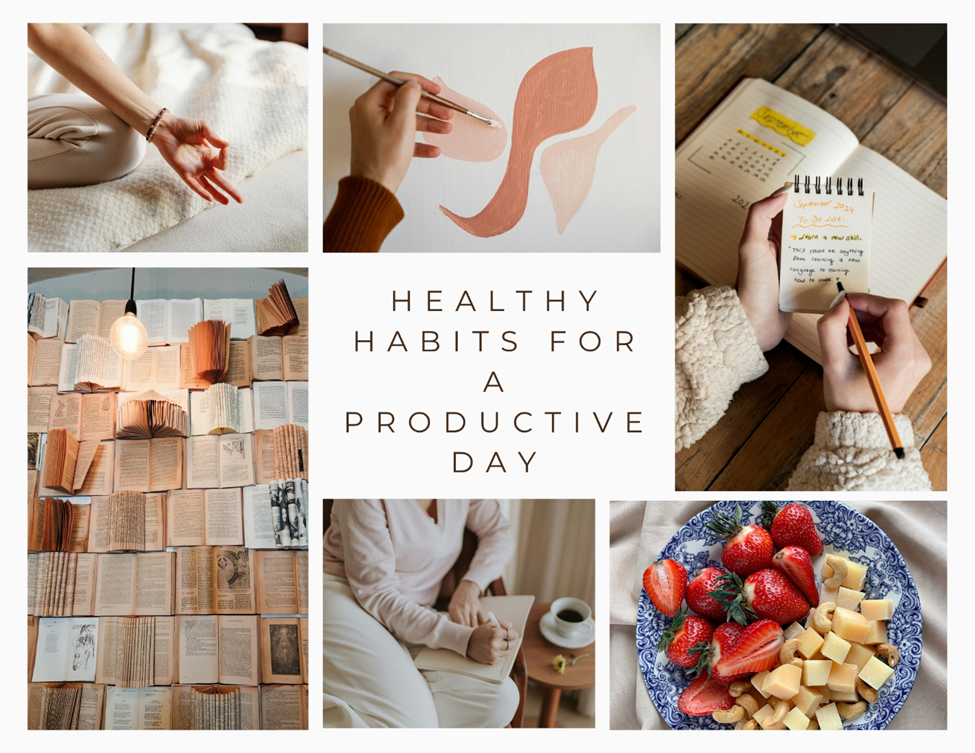
Productivity is not about doing many things in your day; it’s about building momentum that lasts. To remain focused, energetic, and resilient, your body and mind require a base of healthy habits. How you sleep, move, eat, and think creates how you arrive at each task. Real productivity is not about speed or multitasking; it is, however, about energy management, concentration, and a regular rhythm that is created over time. By developing simple, evidence-based health habits, you can create days that are lighter, more deliberate, and profoundly effective. Some of the habits are listed below.
Restorative Sleep: The Unsung Powerhouse of Performance
Your brain is your most powerful productivity tool, and it’s only refueled by quality sleep. Deep rest rejuvenates memory, governs emotions, and boosts focus.
Establish a consistent bedtime routine, cut back on caffeine after mid-afternoon, and turn off screens at least 30 minutes before bedtime. The proper bed routine, soft lights, screen-free time, and soothing rituals tell your body it’s time to relax. Waking up refreshed enhances focus, mood, and decision-making. Your circadian rhythm loves stability; it’s your internal clock, quietly coordinating energy, concentration, and sleep.
Maintain steady sleep and wake times, and observe your days unfold with greater calm, clarity, and natural productivity.
The Morning Reset: Hydrate, Move, Breathe
You start, and everything else follows. A glass of lukewarm water right after you wake up helps in kickstarting your metabolism, and light exercise, stretching, yoga, or a 10-minute stroll, gets your muscles in an active state and dispels mental haze. Include a few slow breaths or seconds of gratitude to ground your mind. This small ritual sets the tone for a peaceful yet energized day. It’s how you tell your brain: the day started with intention.
Nutrition that Nourishes Productivity
Food isn’t just fuel; it’s focus. Go for whole, unprocessed meals that are rich in fiber, protein, and healthy fats. Oats, eggs, nuts, fruits, and leafy greens keep your blood sugar balanced and your brain alert. Avoid heavy, carb-dense meals during work hours, as they often cause energy dips and mental fatigue.
Power Snack Ideas: almonds with fruit, yogurt with seeds, or hummus with veggies.
Structured Planning: Focus on What Matters Most
Disorganization burns energy more quickly than overwork. Start your day by setting your Top 3 priorities, the activities that really advance your goals. Use planners, task boards, or time-blocking to get organized. This isn’t rigidity, it’s clarity. Clarity of plan reduces decision fatigue and enables creative flow to flourish. And to get into momentum, try using pen and paper.
Active Breaks: The Science of Pausing
Constant work isn’t productive; it’s exhausting. Short, mindful pauses every 60 to 90 minutes, like for example “Pomodoro Method,” enhance brain function and creativity. But these pauses need to be screen-free. Use breaks to stretch, look away from screens, breathe, or take a walk. Breaks prevent burnout, improve concentration, and keep your body active even during sedentary work.
Declutter Your Digital and Physical Space
A cluttered space mirrors a cluttered mind. Simplify your workspace, keep only essentials within reach. Turn off unnecessary notifications and set “focus hours” for uninterrupted work. Digital discipline is a modern superpower; it helps you reclaim mental clarity and time.
Practice Mindfulness and Gratitude
Incorporating mindfulness into your daily activities builds both emotional equilibrium and productivity. A few minutes of deep breathing, mindful eating, or gratitude journaling recalibrates your nervous system and keeps stress at bay. Remember, focus is built in calm, not chaos.
Tip: Put three things you are thankful for on paper each day or breathe deeply for 2 minutes between tasks.
The Evening Transition: Closing the Loop Gracefully
Finish your day as deliberately as you started it. Think about what you’re doing well, write down what can be done differently, and let the rest go. Soothing stretches, tea, or reading a few pages from a great book can cue your body that it’s time to sleep. How you finish your day sets how you start the next. Evening routines cue rest and emotional reset.
Restrict Screen Use & Social Overload
In this age of technology, persistent connectivity can insidiously leach your mental focus and emotional reserves. Mindless scrolling, incessant notifications, and social media comparison keep the mind stuck in reactive mode. To recover clarity, set digital boundaries, plan “screen-free” time blocks, put your phone beyond reach during intense work, and unfollow accounts that provide more stress than benefit.
Tip: Utilize the screen time tracker on your phone to keep track of and limit apps.
Connect with People Who Inspire You
We are the average of the people we spend most of our time with. Keeping people around you who are positive, motivated, and supportive ignites both motivation and view. Through mentorship, friendships, or community, supportive relationships remind you of your purpose and collective growth. Opt to have conversations that inspire and challenge you and not take energy from you.
Keep Learning Something New
Ongoing learning keeps the mind acutely tuned, attuned, and forward-directed. Reading a couple of pages from a good book, poking into an online tutorial, or hearing educational podcasts exposes you to new ideas that stimulate creativity and problem-solving. Learning also gives you confidence, an internal confidence that you’re developing, not merely laboring.
Move Beyond Work: Find a Hobby
A good life goes beyond career objectives. Hobbies such as painting, gardening, writing, music, or cooking provide emotional equilibrium and creative liberation. They permit you to communicate without performance anxiety, thus indirectly reinforcing concentration and mitigating burnout in your core work. A hobby is not wasted time; it’s restoration in disguise.
Nurture Mental Health
Your mental well-being is the anchor for every productive effort. Anxiety, stress, or unaddressed emotions can silently sabotage focus. Prioritize rest, mindfulness, and honest emotional check-ins. Journaling, therapy, or simply talking things out with a trusted person helps release mental weight. Remember, a healthy mind sustains a healthy routine.
Conclusion: Progress, Not Perfection
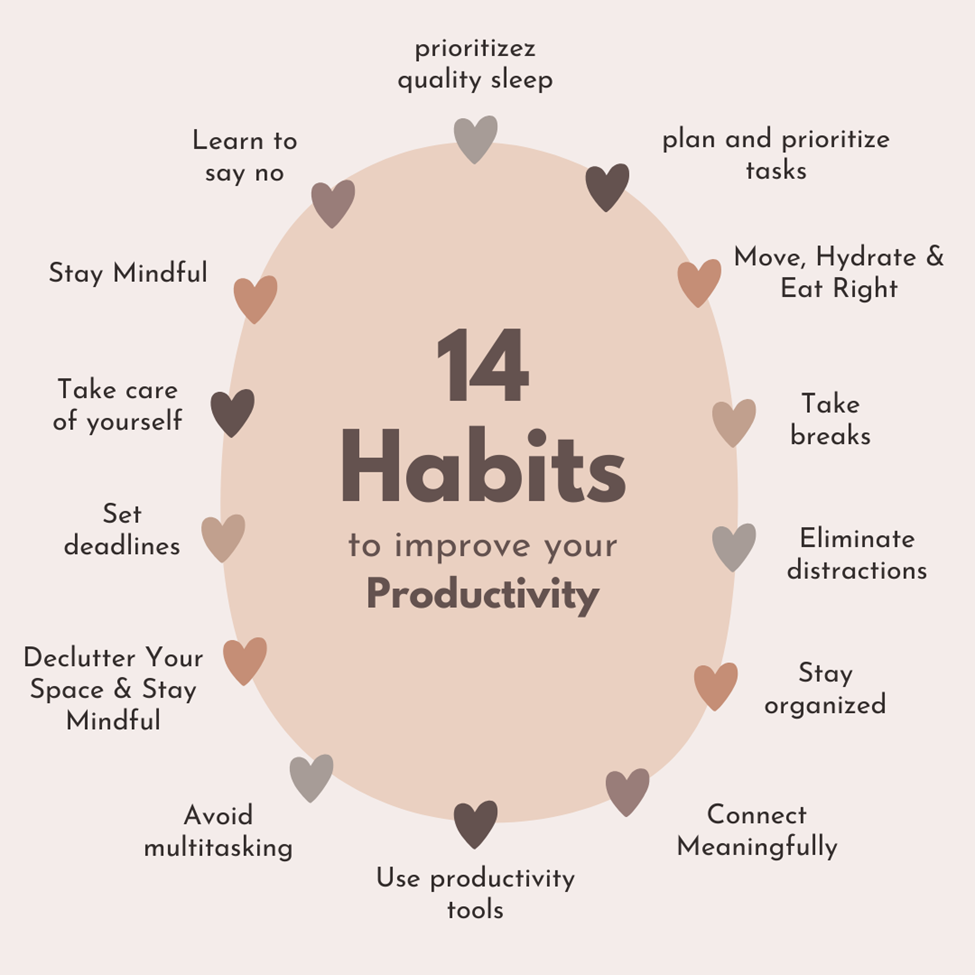
Authentic productivity is not so much about tight scheduling but more about rhythm, a harmonious dance of effort and recovery. Incorporate these habits over time, one by one, until they come naturally as part of your day. As you do this, you will find not only improved performance, but greater fulfillment and peace. It is not the destination of perfection, but progress towards being a better version of yourself.
Develop these habits, guard your energy, and your days won’t only be productive, but purposeful, aligned, and truly satisfying. Remember, it takes 30 days to develop a healthy routine. Even if you miss one single day, start the count from zero.
Frequently Asked Questions
Q1. What’s the single most vital habit to begin with?
Begin with sleep consistency. It’s the anchor upon which all other habits rest.
Q2. How can I remain consistent with new habits?
Combine new habits with old routines, such as drinking water immediately after brushing teeth. This is habit stacking.
Q3. What if my schedule is not predictable?
Use flexible anchors, such as morning water intake and evening screen-free relaxation, instead of rigid times.
Q4. How does exercise enhance productivity?
Exercise increases blood flow to the brain, enhancing concentration, creativity, and mood control.
Q5. Are naps beneficial for productivity?
Yes, 10 to 20 minutes of power naps can restore alertness without interfering with nighttime sleep.
Q6. How do I prevent afternoon energy crashes?
Eat balanced lunches with lean protein and complex carbs, and drink plenty of water during the day.
Q7. Can mindfulness actually increase concentration?
Absolutely. Even two minutes of slow, mindful breathing lowers stress hormones and retrieves cognitive clarity.
Q8. How do I know if my routine is successful?
You will find improved concentration, mood stability, and consistent energy. Monitor your habits on a weekly basis to determine what works best for your natural rhythm.