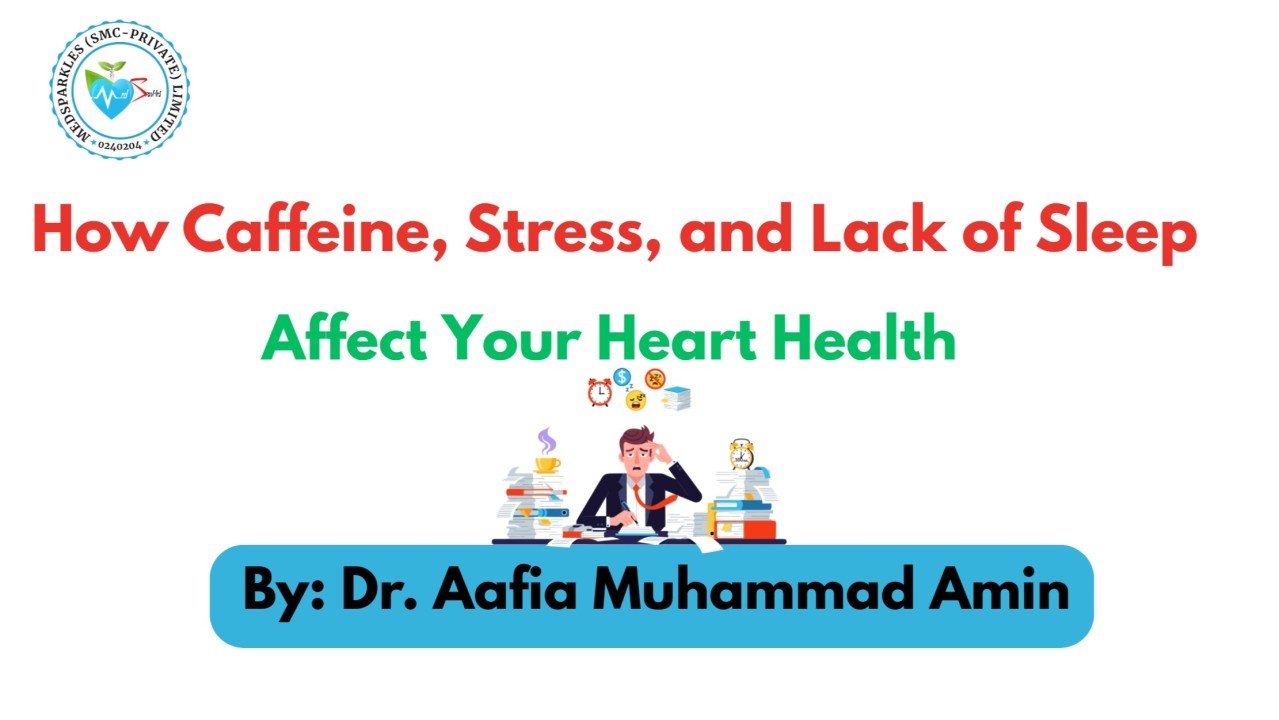
Imagine your heart working tirelessly, keeping everything in rhythm with grace and precision. Now consider three common habits you have every day, pulling at them at the same time. A strong cup of coffee, the weight of stress from work or exams, and counting only a few hours of sleep. These habits can slowly and gradually wear down your heart’s ability to perform at its best. Understanding how caffeine, stress, and lack of sleep affect your heart health is crucial because these are not distant medical concerns but everyday realities for millions of people around the world.
Caffeine: The Heart Enemy
Caffeine is the most widely consumed psychoactive compound in the world. It is a Central Nervous System stimulant that blocks a brain chemical called adenosine, which normally promotes relaxation and sleep. By blocking adenosine, caffeine increases alertness and can briefly increase energy levels. At the same time, it stimulates the release of stress hormones like adrenaline, which can increase heart rate and blood pressure in the short term.
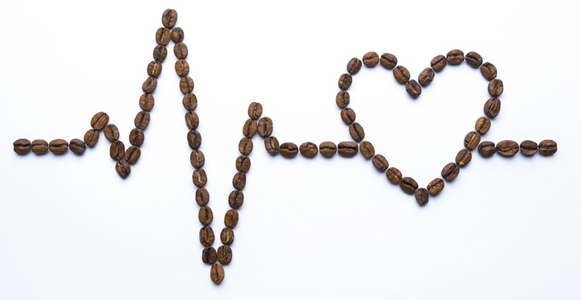
Studies have shown that moderate doses of caffeine can raise blood pressure, especially during stress, and this rise adds to the cardiovascular strain already caused by stressful situations. In fact, it narrows blood vessels and increases the force of blood pumping through them, which raises both systolic and diastolic blood pressure.
Research from the American Heart Association found that drinking caffeinated coffee was associated with increased episodes of irregular heartbeats (arrhythmias) and reduced sleep duration. These abnormal heart rhythms may be more noticeable in people with existing heart issues or those who metabolize caffeine slowly, a factor influenced by genetics.
Caffeine isn’t inherently bad for your heart, but excessive intake, late‑day consumption (which disrupts sleep), and individual sensitivity can increase cardiovascular strain.
Stress: The Silent Heart Strain
Stress is your body’s natural response to perceived challenges or threats. Stress triggers the sympathetic nervous system, releasing hormones like cortisol and adrenaline. This response prepares your body to react, but when activated too often or too intensely, it can impose a burden on your heart.
Chronic stress keeps the heart working overtime. Elevated stress hormones increase heart rate and constrict blood vessels, raising blood pressure. This ultimately leads to higher rates of hypertension, inflammation, metabolic imbalances and atherosclerosis (hardening of arteries).
Stress also increases unhealthy behaviors, such as overeating, smoking, and reduced physical activity which can further heighten cardiovascular risk. Over time, this chemical cascade increases wear and tear on your cardiovascular system.
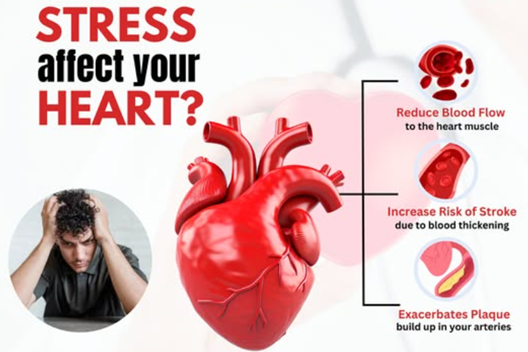
Interaction between Stress and Caffeine
Interestingly, the combination of stress and caffeine amplifies cardiovascular responses more than either factor alone. For example, caffeine consumption was shown to increase blood pressure even more during periods of psychological stress than at rest.
Hence, stress doesn’t just impact mental well-being but also poses direct physiological effects that strain the heart, especially when amplified by stimulants like caffeine.
Lack of Sleep: A Heart‑Health Danger Zone
Sleep isn’t just rest; it’s a critical cardiovascular reset. It’s a state when your body repairs tissues regulates hormones, and restores energy. Adequate sleep also allows your blood pressure to drop at night giving your heart a much‑needed break.
When you routinely get fewer than seven hours of sleep per night your blood pressure stays higher for longer periods and does not drop as it should during sleep. Persistent high blood pressure substantially increases the risk of heart disease and stroke.
Lack of sleep disrupts the hormones that control appetite, stress (like cortisol), and inflammation. This imbalance can lead to weight gain, insulin resistance, and chronic inflammation. These conditions are major contributors to heart disease. The risks are not limited to immediate effects but accumulate over months and years.
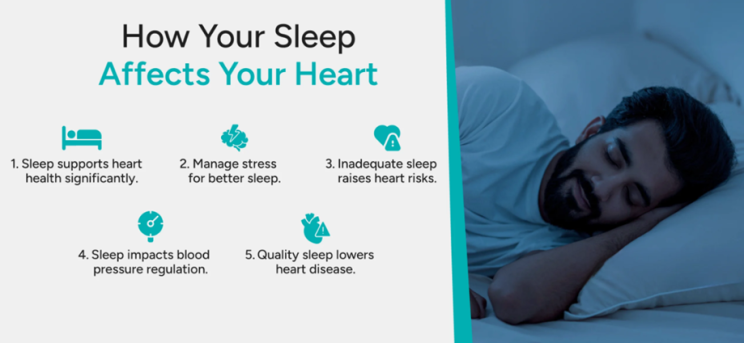
Sleep Loss and Caffeine
Many people use caffeine to counter sleepiness, but caffeine can disrupt sleep even hours after consumption, especially when taken late in the day. This creates a cycle where caffeine reduces the amount and quality of sleep, which then increases the desire for more caffeine, further harming heart health.
Consistently short or poor‑quality sleep is a serious cardiovascular risk factor with effects comparable to traditional risk factors like smoking or inactivity.
How These Three Factors Interact
Caffeine, stress, and sleep don’t just impact your heart individually; they often overlap and worsen each other.
- Stress often leads to poor sleep, which increases the temptation to consume caffeine for energy.
- Caffeine can worsen sleep quality, especially when consumed after midday.
- Poor sleep increases stress levels, both psychologically and physically, deepening cardiovascular strain.
Individually, caffeine, stress, and poor sleep each strain the heart. Cumulatively, they amplify one another’s effects. This means that an already stressed person who sleeps poorly and drinks a lot of caffeine may be at significantly higher risk than someone dealing with just one of these factors.
Practical Tips to Protect Your Heart
Improving heart health doesn’t require perfection, but consistency helps.
1.nbsp;nbsp;nbsp;nbsp; Balance Caffeine Intake
Caffeine in moderation especially when consumed earlier in the day can be part of a healthy lifestyle. However paying attention to how your body responds is important. If caffeine keeps you awake late into the night or you notice palpitations or high blood pressure it may be time to adjust your intake.
2.nbsp;nbsp;nbsp;nbsp; Manage Stress Effectively
Healthy stress management can improve heart health. Practices like mindfulness exercise proper time management physical activity and seeking social or professional support help reduce chronic stress and lower cardiovascular strain.
3.nbsp;nbsp;nbsp;nbsp; Prioritizing Sleep
Sleep should be treated like any other health priority. Aiming for at least 7–9 hours of good quality sleep nightly supports blood pressure regulation hormone balance and cardiovascular recovery. A consistent sleep routine and reducing caffeine intake in the late afternoon and evening can help improve sleep quality.
4.nbsp;nbsp;nbsp;nbsp; Regular Heart Health Check‑ups
Routine monitoring of blood pressure and heart rhythm can catch early signs of strain before major complications occur.
Conclusion
Your heart is remarkable and resilient. It beats more than 100,000 times a day without you noticing. But small, repeated stresses from caffeine stress and lack of sleep influence its function more than you may realize.
Stress triggers chemical responses that strain your cardiovascular system and lack of sleep disrupts your body’s natural restoration processes. When these factors occur together their effects amplify which increases your risk for heart disease. What may feel like normal daily habits could be quietly contributing to a higher risk of hypertension, arrhythmias, and cardiovascular disease.
Understanding these interactions helps you make better lifestyle choices. Small changes such as balancing caffeine, actively managing stress, and safeguarding your sleep, you can support your heart in ways that matter for decades. Your heart does so much for you without asking. It is worth listening to what it needs in return.
FAQs:
1. Does caffeine harm the heart?
Moderate caffeine intake is usually safe, but high amounts can raise blood pressure and heart rate, increasing strain on the heart, especially in people sensitive to caffeine.
2. Can stress really affect heart health?
Yes. Chronic stress increases hormones like cortisol and adrenaline, which raise blood pressure and heart rate, contributing to long-term heart disease risk.
3. How does lack of sleep contribute to heart problems?
Poor sleep keeps blood pressure high, increases inflammation, disrupts hormones, and raises the risk of hypertension, heart attacks, and stroke.
4. Is it dangerous to combine caffeine, stress, and little sleep?
Yes. These factors intensify one another. Stress increases caffeine use, caffeine disrupts sleep, and poor sleep increases stress — creating a cycle that strains the heart.
5. What can I do to reduce the combined impact of caffeine, stress, and sleep loss?
Limit caffeine, manage stress through relaxation techniques, prioritize regular sleep, and maintain a balanced daily routine.
References
- Drinking caffeinated coffee has both beneficial and harmful short‑term health effects – American Heart Association. (American Heart Association)
- Hemodynamic effects of dietary caffeine, sleep restriction, and laboratory stress – PubMed. (PubMed)
- Too little sleep may be hard on your heart – Harvard Health. (Harvard Health)
- How does sleep affect your heart? – Heart Research UK. (Heart Research UK)
- The Link Between Sleep and Cardiovascular Health – National Sleep Foundation. (National Sleep Foundation)
- Caffeine and cardiovascular responses to stress – PubMed. (PubMed)