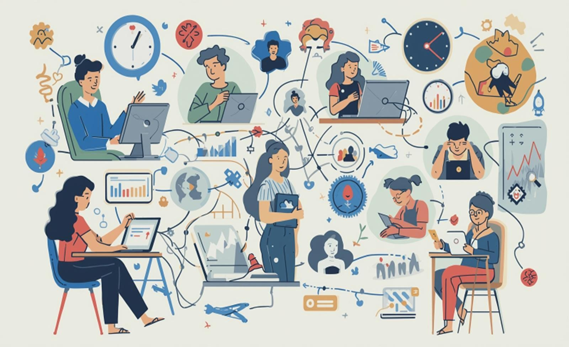
Social media comprises online platforms that enable individuals to post information and communicate with online communities in various content types, including text, videos, images, etc. Comprises applications or websites designated for messaging, chat, and social sites such as Facebook, Instagram, and TikTok, as well as community forums such as Reddit or Discord. As of the latest world social media statistics research update for 2025, more than half of the world population is active on social media (62.6%). Currently, there exist 5.07 billion online social media
users, with new users accessing from the previous year being 259 million. Daily, individuals spend almost 2 hours and 20 minutes on social media. Social media also has the potential to influence mental health in both positive and negative ways. While it allows you to associate yourself with your friends, link with you professionally, propagate awareness for important matters, and seek peer assistance, excessive usage of social media can adversely influence your mental health and happiness. Excessive usage of social media can make you experience feelings of insufficiency, discontent, as well as loneliness, and can exaggerate the effects of stress, depression, as well as nervousness. Social media usage also impacts mental health greatly. It can build relationships, build up your confidence, as well as increase feelings of being accepted. It can, however, create excessive stress, pressure of comparing with others escalated, and spread sorrow as well as loneliness. Social media usage must be used with care.
Positive Impacts of Social Media
Social connection:
Humans access information globally from social sites and also interact with friends and distant relatives. It is also possible for the user to find specialized groups depending on their needs or interests, for example, finding employment or local chat forums. Social interaction is also significant between mental illness patients who cannot interact in person with other people. Patients with schizophrenia spectrum disorder exhibit problems regarding social functioning, and through social sites, they interact with individuals and communicate. According to recent literature, some patients choose to access mental assistance through online contacts rather than in-person contacts, and adolescents with moderate to severe depressive symptoms also prefer interaction on social sites compared to in-person contacts.
Support networks:
Online peer support allows for information seeking, medication, and symptom talks, experience sharing, skill development in coping, and self-closure. Individuals with mental disorders form new connections, experience
feelings of being less lonely, or re-establish contact with individuals. These networks demonstrate diverse support patterns, including informational, self-worth, community, and emotional.
Awareness and education:

It allows learners anywhere and anytime to collaborate on projects and assignments, and facilitates collaborative learning in a seamless manner. Social features on Google Classroom and Edmodo make it convenient for real-time collaboration, improving the process of learning.
Fostering creativity and critical thinking. The learners would display their creativity more effectively when they also have the potential to convey multimedia information such as images, videos, and slides. Furthermore, information from different tests also enhances the development of critical thinking, as long as the use of information is carried out critically and in an appropriate manner.
The utilization of social sites allows learners to acquire
basic online literacy, which is most important for their academic and professional endeavors.
Self-expression and Empowerment: As evident from hashtags such as #BlackLivesMatter and #MeToo, Instagram, Twitter, and TikTok, among other social media, are essential tools for the voice of minority communities and civil society because they empower people to express themselves naturally, break down prejudices, and advocate for their rights. By providing personal narration, which is more important for developing one’s identity and empowerment. This freedom of speech enables people to forge their online identities, connect with similarly motivated people, and advocate for healing and coexistence for all.
Negative Impacts of Social Media
Social comparison and low self-esteem:
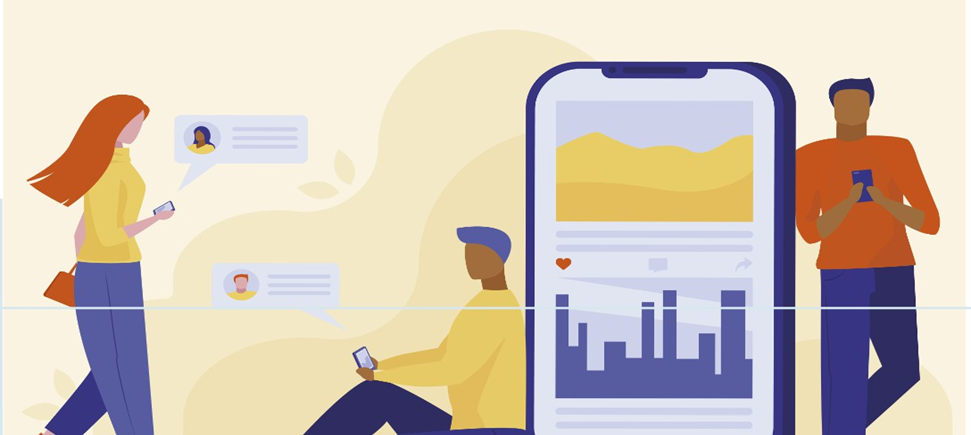
Users’ perceptions of value and reality on social media also rely on the content they post. Most platforms, including Instagram and TikTok, address visual storytelling, which often encourages users to post highly edited perceptions of their reality that contain only their happy experiences and accomplishments. Selective broadcasting can create unreal ideals of happiness, competence, and beauty, leaving viewers making society-based comparisons. Social media use also had a great negative effect on
people’s perceptions of their bodies and their value, especially among adolescents. Because of their developing sense of identity and sense of self, adolescents are most susceptible to the influence of social media. Teenagers, as indicated by research, are more likely to internalize idealized images that they encounter in their online world, with common results being low self-esteem and body discontent. According to studies, young people tend to compare their own bodies with these unreal ideals, creating poor body perceptions. This is because of their repeated exposure to filtered and selectively taken photographs of seemingly ideal bodies. Social media also damages self-worth with its role in contributing to promoting particular standards of attractiveness,
which often include muscularity and slimness. Adolescents who do not meet these standards can be bullied, isolated, or receive unsavory comments, with the consequence
being mental distress. The bleak side effects of body perceptions also extend beyond females. Men also report body discontent and experience further pressures to meet idealized ideals of masculinity. To assist adolescents in adopting healthier perceptions of who they are, it is imperative to counteract the destructive influence of social media on body perceptions and self-worth.
Cyberbullying and Online harassment:
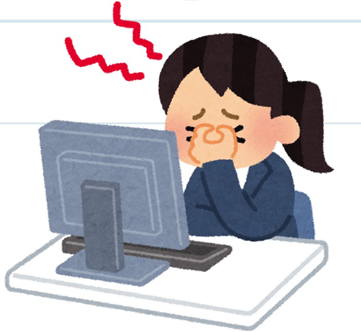
As we enter the computer age, computer or online bullying, or as it is more commonly referred to, cyberbullying, is becoming an important issue that most directly affects teens and young adults. Cyberbullying, or the repeated and purposeful use of computer-mediated communications to harass, threaten, or humiliate another, can assume a variety of different faces, such as spreading false information online, sending threatening messages, or posting offensive messages. Victims report feelings of worry, despair, and low self-esteem more frequently. High prevalence of online aggression can lead victims to feel helpless because there are limited
resources in the online environment. Cyberbullying, as compared with in-person bullying, can happen around the clock and heighten feelings of isolation and helplessness. Additionally, victims can internalize the abusive messages they are receiving, and in the long term, suffer long-term problems such as chronic stress and deteriorating school performance.
Fear of missing out (FOMO) and Compulsive use of social media:
Overuse and compulsive use of social media sites are signatures of social media addiction, a top concern in contemporary culture. One of the leading reasons for such addiction is the condition of FOMO, or fear of missing out. FOMO is the name of the fear that individuals experience when they believe that other individuals are experiencing something exciting or satisfying, and they are not. Due to such a fear, individuals constantly check their sites, and with frequent results, they experience compulsions while they seek to catch up with trends, events, and social
events. Abandonment of in-person relationships, academic responsibilities, as well as personal well-being are some of the destructive usage patterns that may develop due to the need for approval from society and the need for protection from feelings of loneliness. In addition, such compulsive usage is exacerbated by the design of the sites in that they include infinite scrolling functions, notifications, and algorithmic content. The addiction cycle is further solidified when individuals experience pressures to actively participate to miss important information or interaction. Since individuals cherish online interaction more than real, in-person interaction, social addiction consequently impacts not just the mental health of a person, generating feelings of anxiety and depression, but also the quality of life of an individual.
Sleep disturbances:
The use of social media is typically related to some unsavory mental health impacts, most particularly mood and sleep problems. Its impact on the sleep disturbance of users is among the key reasons why social media affects sleep. As blue light from displays disrupts melatonin production and pushes back the time of falling asleep, using social media in bed before bedtime could lead to erratic sleeping habits. Furthermore, individuals also find it hard to sleep because of the rush of adrenaline from all the notifications and alarms.
Social Isolation:
Compared with generations of the past, young people and adolescents these days spend fewer moments with friends and family in face-to-face interaction. Instead, many interact on social media, which could make them more isolated. Social connections online cannot be as satisfying. Witnessing everyone else enjoying activities and mingling on social sites also induces feelings of being left out in some individuals.
Child Sexual Abuse:
It also becomes a platform for child sexual abuse as well as online bullying, such as unauthorized sexting, grooming, stalking, uploading of explicit content, and revenge pornography.
Psychological Mechanisms Behind These Effects
The social media platforms employ mental hooks to ensure user retention. Dopamine, the neurotransmitter that signals reward and delight, is activated for likes, comments, and shares, and it could prompt frequent visits to social sites. If the user fails to gain anticipated affirmation, such a reward loop could magnify feelings of apprehension, sorrow, and insecurity and lead to addiction.
The purpose of these sites is to profit from the manner in which the mind operates. As with gambling, the possibility of earning likes or comments activates the brain’s reward system. Positive reinforcement makes the consumer feel
affirmed, but negative reinforcement could make them experience rejection. Over time, such dependence on external approval can discredit one’s own sense of self-worth and deepen feelings of anxiety and helplessness.
Association between excessive social media use and psychiatric disorders
Problem Scope:
Among psychiatric issues, the use of social media ranks as the second most prevalent cause of disability.
The occurrence of anxiety and other psychological issues, including unhappiness, insomnia, tension, reduced subjective happiness, and a sense of mental deprivation, is highly associated with the use of social networks.
Risk elements:
Three variables, frequency of social media use, duration of use of social media, and number of sites used, are approximated to be strongly associated with the probability of social media-induced mental health issues.
Scroll duration and illness severity
Anxiety was more linked to social media addiction, according to a survey of Norwegians aged 16 to 88. Similarly, in the United States, in another study that included 563 participants aged 18 to 22 years, it was discovered that social media use was linked to dispositional anxiety directly but not to any emerging anxiety. Also, the people who utilized social media more throughout the day scored higher in terms of anxiety levels beyond the clinical anxiety threshold, suggestive of the onset of potential underlying clinical anxiety disorders.
Fatigue from social media
A test was undertaken to evaluate the link between social media fatigue and psychosocial well-being among Indian teenage social media consumers. From the findings, excessive use of social media leads to “social media fatigue,” or fatigue or burnout accumulated as a result of excessive use of the site. According to subsequent findings, this led to higher rates of anxiety and hopelessness among participants.
Abuse of social media linked to pandemics
In the COVID-19 pandemic, quarantines and lockdowns caused a dramatic increase in social media use. During the COVID-19 epidemic of 2020, an online survey was conducted using a nationally representative sample of Chinese residents from 31 provinces to evaluate any mental illness issues linked to social media use. Over 80% of all participants said they were extensively exposed to social networks. 48.3% of the sample were depressed, 22.6% anxious, and 19.4% both, according to the evidence. Additionally, it was discovered that greater use of social media was associated with greater risk of anxiety and “combined anxiety and depression.”
Teenage sexual behavior and internet use
Adolescents who overuse the internet can have adverse effects on their sexuality. Adolescents were found in one study to engage in premarital sex because of internet
usage and being on sexually explicit websites. Males used the internet more compared to females, and they also had a more positive attitude toward pornography at an earlier age. Heavy users reported intentional use of sexually graphic sites, and the females were found to react negatively to being exposed to such sites. According to another study, more than one sexual partner and greater sexual activity are predicted by how often one views sexually explicit material on the internet.
Thoughts of suicide and self-harm
The mental health of teenagers is negatively impacted. Self-harm, from nonsuicidal self-harm to suicidal thinking, is a serious side effect of mental illness among teenagers. Even though social media ranks among the most significant sources of online emotional support, it can enhance the vulnerability to self-harm through the promotion of various forms of self-mutilation, perceptions of competition, and contagion. Social media platforms are utilized by adolescents frequently to share suicidal thoughts and suicide plots either directly or indirectly through the expression of feelings of despair, hopelessness, and helplessness, according to a study.
Global social media addiction statistics:
There are approximately 4.8 billion social media users worldwide as of 2024, and 210 million individuals, about 4%–5% of the population, are believed to be addicted to social media. Teenagers are particularly prone to this issue; 54% of teens confess that it is hard to give up on social media. About 30% of social media users in the US claim to be addicts; among young people aged between 18 and 24, this figure grows to 78%.
The average amount of time Americans spend using social media per day is two hours and twenty-four minutes, a reflection of very high user engagement.
Prevalence of social media addiction by age group:
Young adults
Age varies in how prevalent social media addiction is. Forty percent of 18- to 22-year-old young adults say that they are addicted to social media. In the 22- to 38-year-old group, the percentage increases to 54%, indicating a very high degree of difficulty in quitting such practices.
Teenagers
Teenagers are particularly affected. Adolescents spend a whopping 8 hours and 39 minutes daily on social media, with 54% of them struggling to discontinue. Approximately 36% of the youth know that their overuse of these websites is having an enormous negative impact on their day-to-day lives.
Older population:
Conversely, addiction rates are lower among older age groups. To illustrate, 37% of individuals between 23 and 38 years, 26% of individuals between 39 and 54 years, and only 21% of individuals between 55 to 64 years report that they feel addicted to social media. This suggests that while younger generations consume social media in great amounts, older individuals might engage with these platforms more healthily.
Strategies to Mitigate Negative Effects
Reducing your screen time daily is an excellent way to enhance your relationship with social media and help reduce its harmful impact. Among the advice given to minimize screen time are:
- Under phone settings, set limitations on social networking apps.
- Set particular times of the day when you’ll be on social media.
- Check your friend and follower list, then unfriend people whose profiles make you feel bad about yourself.
- Prioritize activities and face-to-face relationships if you want to improve your mental well-being. Reduced screen time can also be an aftermath.
- Look for activities that do not involve your phone. Hiking, eating meals with friends at a picnic, painting, playing pickleball, reading, or walking your dog can be wonderful ways of human interaction.
- Engaging in activities with a laugh can enhance your physical as well as mental well-being.
Conclusion
Social media, with access by 5.07 billion people on earth (62.6% of the world population), is both good and bad for mental health. On the good side, it supports social relationships, builds an important support network, especially for mentally ill individuals, and provides the means for expression and empowerment for groups. But overuse, to the
tune of almost 2 hours and 20 minutes per day is filled with adverse risk. Negative consequences include social comparison that can lead to low self-esteem, especially among susceptible adolescents, and the presence of cyberbullying and harassment online. Compulsive usage is often driven by FOMO and leads to addiction, affecting around 210 million people, or 4-5% of the world’s population. This dependence is greater in young adults (40% of 18-22-year-olds) and is capable of causing sleep disruptions, mood disorders such as depression and anxiety, and social isolation. To prevent these effects, you need to set limits on time and maintain personal relationships above everything else.
FAQs
Is excessive use of social media the cause of depression?
Social media addiction can exacerbate depression, anxiety, and stress symptoms as well as cause feelings of loneliness, inadequacy, and dissatisfaction.
What age group is most affected by social media?
Between girls aged 11–13 and boys aged 14–15, there can be an inverse relationship. Even though fewer life-happy teenagers use social media more.
Increased use of social media may also have a possible effect on satisfaction with life at age 19.
How many social media dependents are there?
- There are 4.8 billion social media users globally.
- Around 210 million (4%–5%) of the population are social media dependents.
- 54% of adolescents have difficulty cutting down on the use of social media.
- Around 30% of American social media users declare themselves likely to be addicts; among adults aged 18 to 24 years, this is 78%.
- Americans average two hours and twenty-four minutes per day on social media.
- 40% of users experience issues of anxiety when unable to access their profiles, suggesting mental issues.
- 70% of teenagers experience anxiety being offline, linking usage to issues with mental illness.
- There is a gap between generations, and 39% of the 55-64 age group reported they were addicted.
- 59% of women and 41% of men claim to be addicted.
- Addiction is higher in collectivist societies (31%), as compared to individualist societies (14%).