
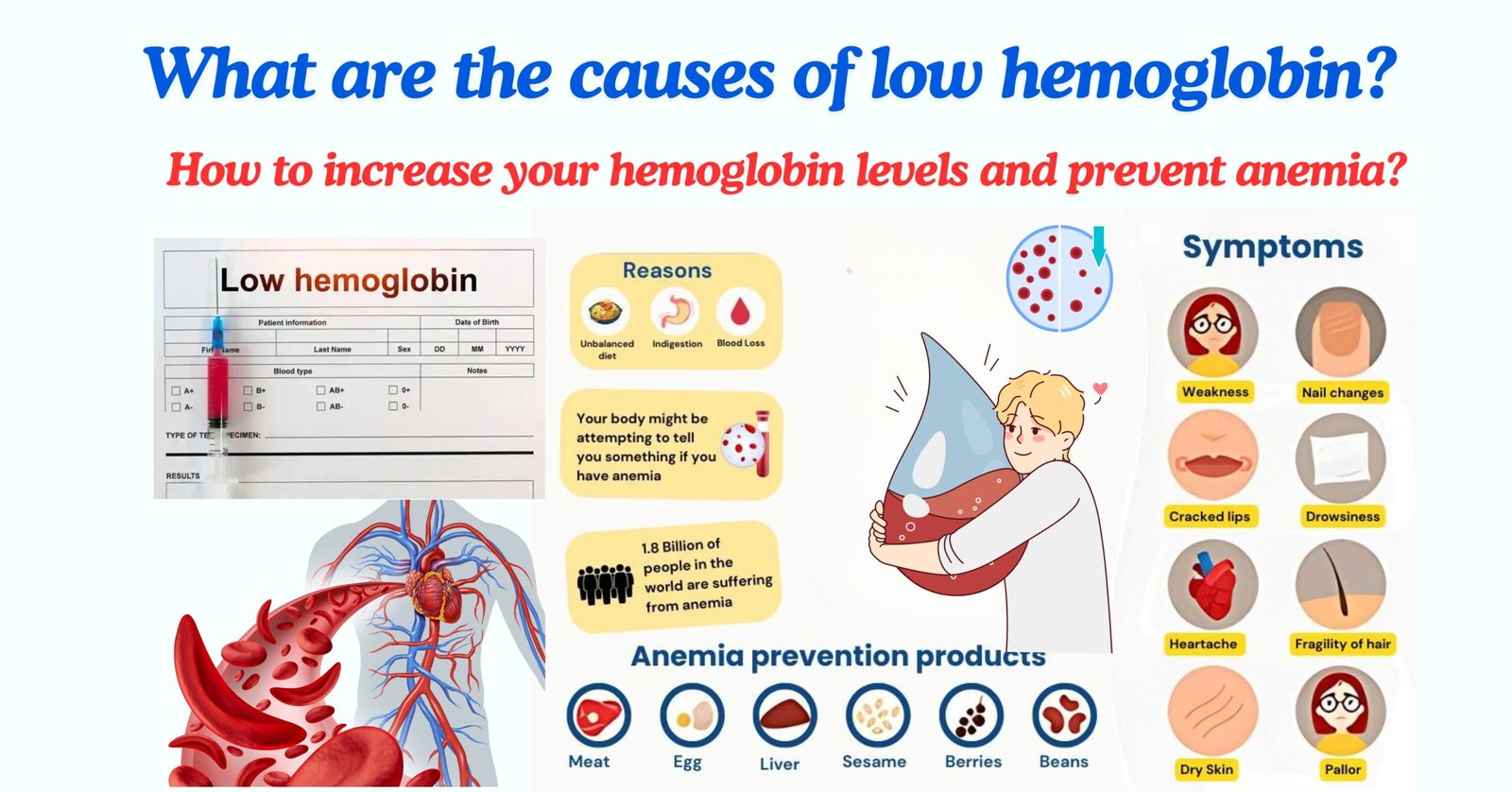
Understanding and managing hemoglobin levels is crucial for maintaining good health. Low hemoglobin, often indicative of anemia , can result from various factors including nutritional deficiencies, chronic diseases, blood loss, and bone marrow disorders. The blog discusses the importance of hemoglobin, a key protein in red blood cells responsible for oxygen transport throughout the body. It highlights common symptoms of low hemoglobin such as fatigue, paleness, and rapid heart rate, which signal the need for medical evaluation and possibly dietary adjustments.To combat low hemoglobin, the blog recommends incorporating iron-rich foods like leafy greens, meats, and legumes into one’s diet, alongside vitamin C to enhance iron absorption. It also advises on foods to avoid that may hinder iron uptake. For severe cases, medical treatments such as supplements, medications, or even transfusions may be necessary. By understanding the causes and embracing both dietary and medical solutions, individuals can effectively manage their hemoglobin levels and improve their overall health