In a world thrive with information, Cancer remain one of the most misinterpret disease. Despite decades of research and medical advancement, it remains surrounded by Myths, half-truths and miracle cures increase faster than the facts themselves leaving people with confusion, mislead and often scared. Is everything we hear true or are we trapped in a meshwork of misunderstanding? But what is the real narrative behind Cancer? In this blog, we will take away the noise, uncover the science and reveal the truth that could change how you perceive this disease forever.
Understanding Cancer: Facts behind the Disease
According to WHO cancer is a generic term for a large group of disease that can affect any part of the body. It’s also known as malignant tumor or neoplasm. Cancer can start almost anywhere in the human body which is made up of trillions of cells. Normally human cells grow and multiply to form new cells as body need them. Sometimes this orderly process breaks down, unwanted multiplication and start abnormal cell growth. These cells may form tumor which are lumps of tissue. Tumor can be cancerous and non-cancerous. Cancerous tumor invades nearby tissue and can travel to distant region in the body to form new tumors (Metastasis)
Common Myths and Disbeliefs Explained
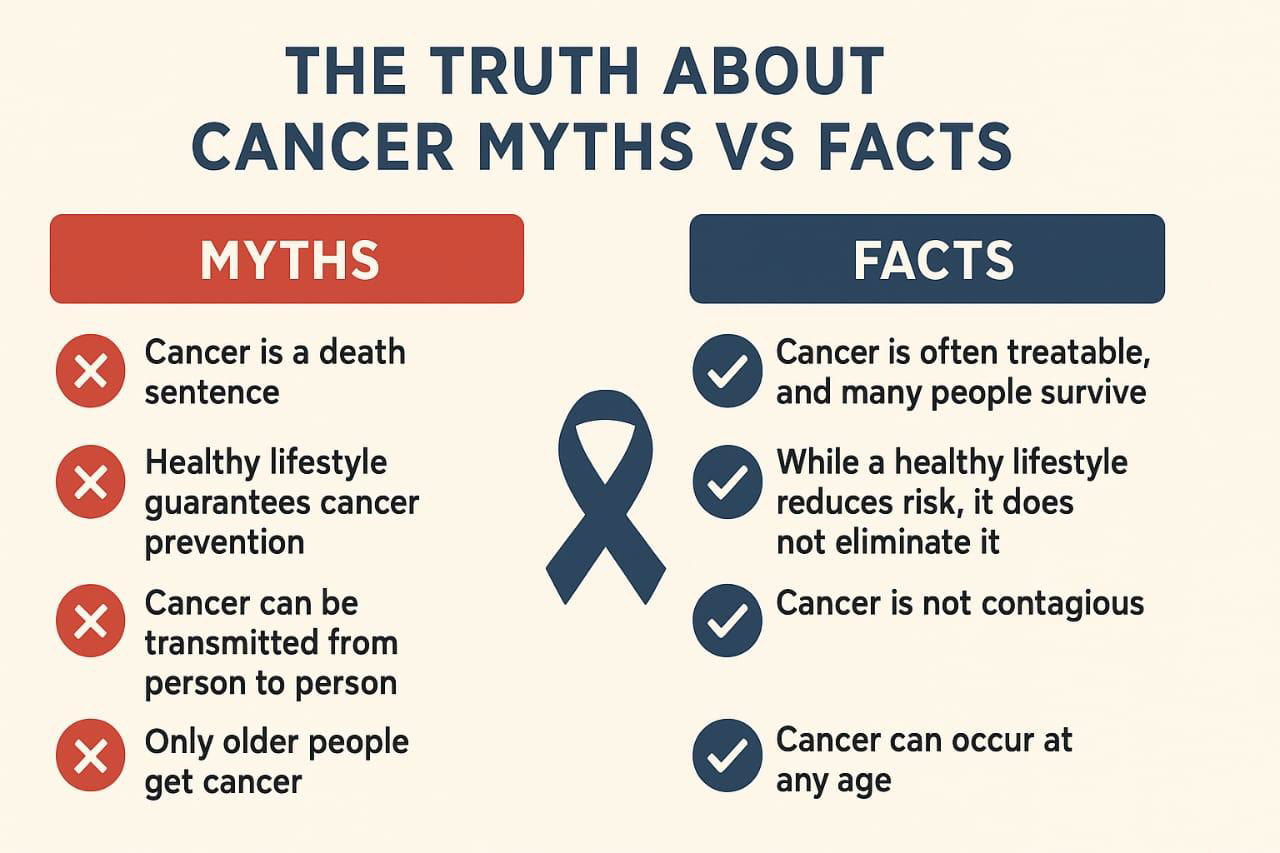
Many common beliefs regarding cancer are myths that can make unnecessary confusion. Such as sugar and artificial sweeteners do not cause cancer even if high level of sugar can lead to obesity which is linked to increase the risk of cancer. Similarly Wi-Fi, Smartphone’s and power do not cancer as they emit the minor level of radiation that is insufficient to damage DNA.
Cancer is not contagious, cannot transfer from one person to other. Eating so called super foods cannot prevent cancer through maintaing healthy diet is beneficial for overall health. Other myths such as surgeries and biopsy spreading cancer are not supported by scientific evidence. Family history can increase risk for specific heredity cancer but only 5 to 10% of cancer that mostly develop due to aging, environmental factors or life style.
Evidence-Based Truths from Medical Science
According to WHO 30% to 50% of cancer death can be avoided by preventing main risk factors and evidence-based strategies. Key factors including avoiding tobacco, maintain healthy diet, body weight, regular exercise, limited alcohol, reducing UV radiation exposure and minimizing pollution. WHO and National Cancer Institute (NCI) analyze that various cancer are curable if they detected early and treated properly with five year survival rates for prostate, breast and thyroid cancer exceeding 90%.
WHO and International Agency for Research on Cancer (IARC) recorded about 20 million new cases and 9.7 million deaths in 2022. An infectious agent from H. pylori, HPV, HBV, HCV and Epstein-Barr virus causes about 13% of cancers. Inequalities also impact on outcomes those living in low socioeconomic status face higher cancer rates and limited access to care. WHO and NCI confirm that various cancers are early detection, improves survival, prevention and effective management depends on multidisciplinary evidence based practice.
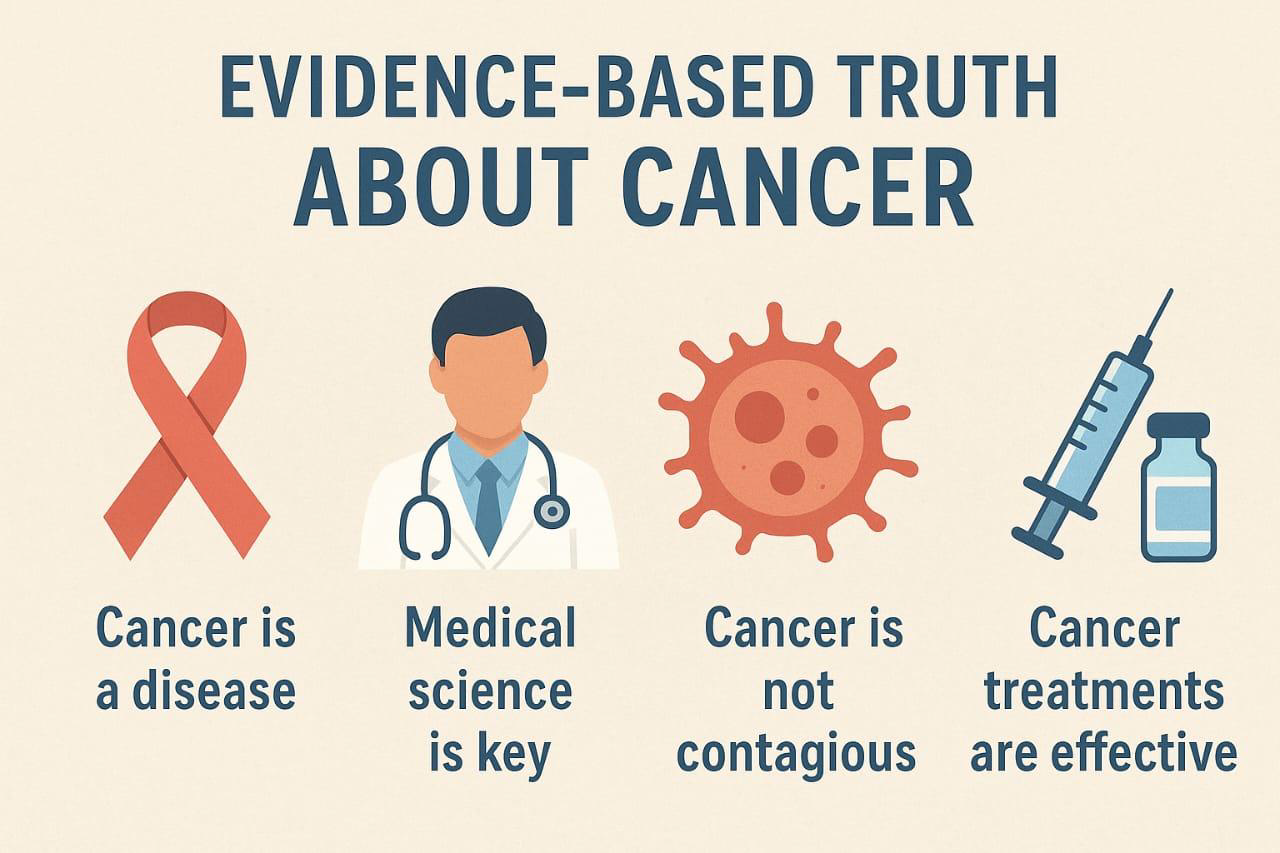
Impact of Myths on Awareness and treatment
Misunderstanding about cancer continues to have negative impact on early detection, awareness and treatment outcomes. According to World Health Organization (WHO, 2024), misinformation and stigma causes many individual to late seeking medical checkup ultimately in cancer often being diagnosed at the advanced stage when treatment is less effective.
The National Cancer Institute (NCI) reports that beliefs in “natural cures” reduces the likelihood of timely and truth-based treatment, while the American Cancer Society (ACS) highlights that regular screening for cancer such as cervical, breast and colorectal disease significantly lower death rates. Addressing myths about cancer through accurate education and reliable health communication is essential for patient survival and improving cancer outcomes.
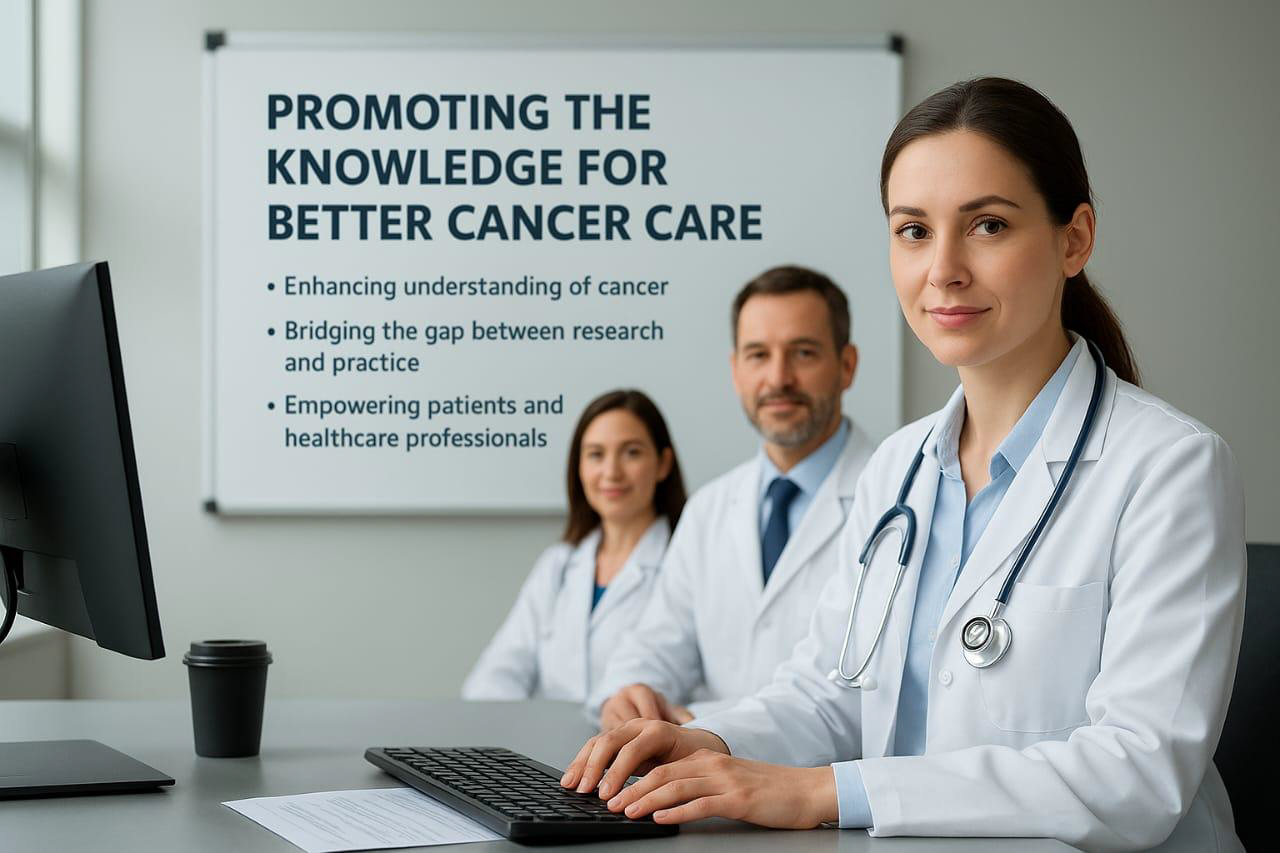
Promoting Knowledge for Better Cancer Care
Care involves understanding risk factors, improving awareness, empowering individuals and communities to engage in prevention and early detection. For example, WHO states that 30% to 50% of all cancer cases are preventable by reducing exposure to risk factors, raising awareness and providing people with information and support to accept healthy lifestyle.
Research shows that health-education intervention significantly improved awareness of cancer risk factors, screening uptake rose from 4.3% to 9.8% post intervention and belief of screening as waste of money reduced from 31.5% to 0%. Hence knowledge promotion steps are essential to disseminate information, focus on preventable risk factors, screening options and access care.
Conclusion
In conclusion, cancer is critical disease effect by lifestyle, environmental factors and genetics but many common beliefs such as smart phones, sugar, causing cancer are myths. Misconceptions delay medical consultation and limited participation in evidence based prevention and care. Promoting knowledge by education, awareness campaign and culture appropriate guidance empower individual to accept healthy lifestyles, participation in screening and seek timely treatment. Addressing myths, improving approach and fostering practice are essential to avoid preventable death and improve cancer outcomes worldwide.
Frequently Asked Questions (FAQs)
What are common myths about cancer?
Cancer transfers from touching someone with it. Cancer is always fatal. Only older people get cancer. Certain foods can cure cancer. All these are false and need clarification.
Why it is important to separate truth from myths about cancer?
Understanding facts assist patient to avoid harmful practice, make informed decision, limit unnecessary fear, and follow evidence proven treatments and preventive strategies.
Can lifestyle modification alone cure cancer?
No. instant healthy habits may limit cancer risk or help recovery. Lifestyle changes alone cannot cure once it has developed. Medical treatment is essential.
What are alternative therapies effective against cancer?
Few alternative therapies may help well being but they are not substitute for scientific proven options like chemotherapy, surgery, or radiation. Depend solely on alternative can be dangerous.
Which are the reliable sources of cancer?
Peer reviewed journals, medical organizations (like WHO, NCI, American Cancer Society) and certified oncologist are trustable source of information. Ignore sensational claims or unverified online sources.
Is cancer always heredity?
No. instant some cancer has genetics links, most cancers result from combination of lifestyle modification, genetics and environmental factors. Genetics alone don’t determine who will develop cancer.
Can cancer be completely prevented?
Not absolutely. Some cancer can be prevented or reduced risk by lifestyle modification (healthy diet, exercise, avoid tobacco/alcohol, vaccination) but there is no guaranteed way to avoid all cancers.
Does sugar cause cancer?
No, sugar itself does not directly cause cancer but excessive sugar level can lead to obesity which is risk factor for some types of cancer. Cancer cells consume glucose like normal cells but feeding cancer by eating sugar is myth.